704-676-6023
Articles
Are Your Brakes Ready for Black Ice, Slush, and Sub-Freezing Roads?
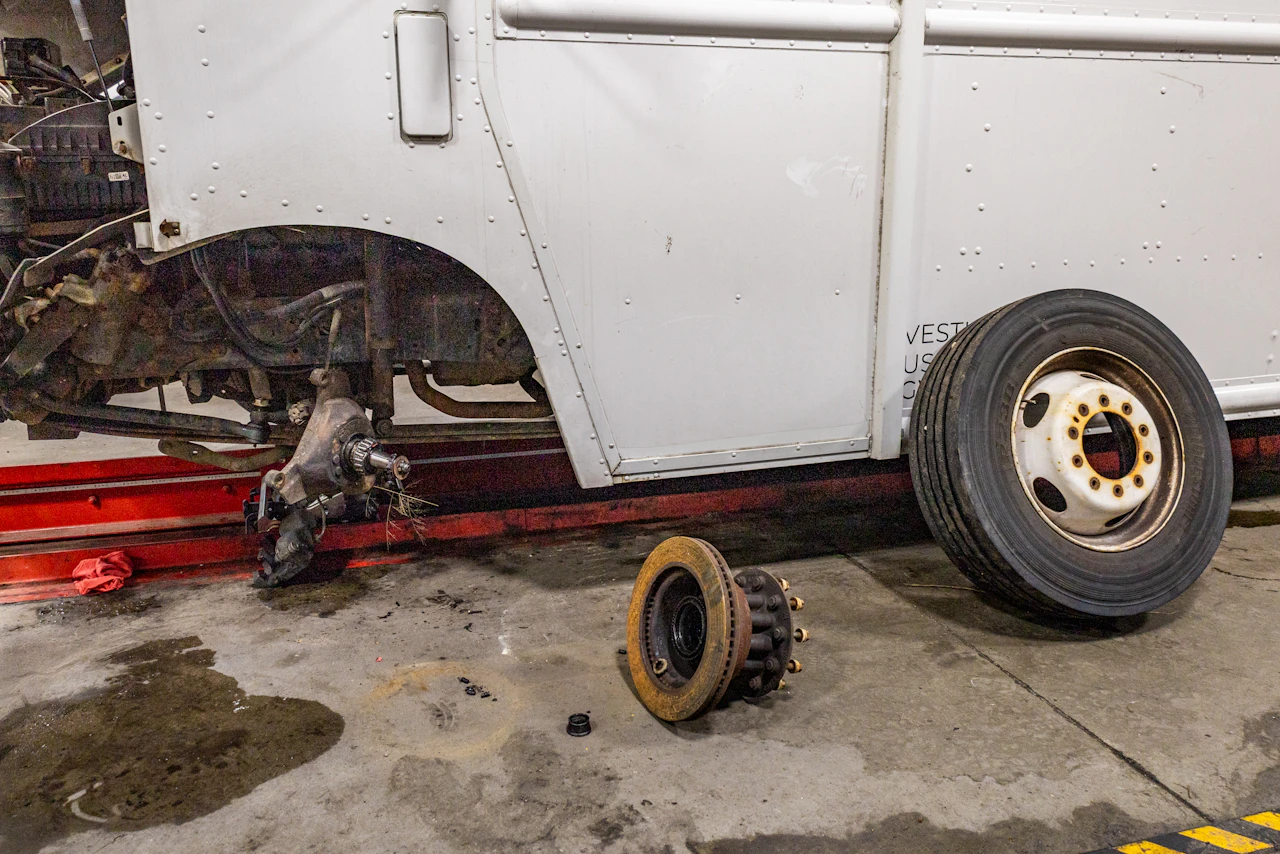
North Carolina winters may not be as punishing as up north, but don’t be fooled, black ice, slush, and freezing rain can sneak up fast and make your fleet’s brakes your first and last line of defense.
When temperatures drop below freezing, your braking system works overtime. Stopping power, traction, and air pressure systems all face new challenges. If you’re not winter-ready, you're putting your drivers, cargo, and equipment at serious risk.
So, how do you know if your fleet’s brakes are up for the challenge?
Let’s dive in.
Why Winter Braking Conditions Are Brutal
In cold, wet weather, road friction drops fast, especially on black ice, which is nearly invisible. That reduced grip means longer stopping distances, even when your brakes are working perfectly.
Now throw in slush, salt, and sub-freezing air, and you’ve got the perfect storm for:
- Brake fade
- Frozen air lines
- Slow or uneven application
- Corroded components
How Air Brakes Respond to Freezing Temperatures
Unlike hydraulic systems in light vehicles, heavy-duty trucks use air brakes, which are especially vulnerable in winter. Why? Because moisture in the system can freeze and block airflow, leading to delayed or failed braking.
To prevent this, your air dryer and compressor must be in top shape. If the air tanks contain water or your dryer filter hasn’t been changed recently, your system’s at risk of freezing up in transit. Drain your air tanks regularly in the winter, and inspect that air dryer!
Warning Signs Your Brakes Aren’t Winter-Ready
Cold weather is unforgiving on braking systems, especially on air-brake–equipped trucks. Moisture, freezing temperatures, and road chemicals can quickly turn small issues into major safety risks. Knowing the early warning signs can help you avoid breakdowns, failed inspections, and dangerous stopping conditions when winter weather hits hardest.
Soft Brake Pedal Feel or Slow Air Pressure Buildup
A spongy brake pedal or delayed air pressure buildup often indicates moisture in the air system, worn seals, or failing valves. In freezing temperatures, trapped moisture can turn to ice, restricting airflow and reducing braking response when you need it most.
Rusty or Sticking Slack Adjusters
Slack adjusters are especially vulnerable to winter corrosion. Rust buildup, road salt exposure, or lack of lubrication can cause them to stick or fall out of adjustment. This leads to uneven braking force and increases stopping distance—an especially serious concern on slick winter roads.
Frozen Parking Brakes
Parking brakes that freeze in the applied position are a common winter headache. Ice can form inside brake chambers or cables, leaving drivers stranded or forcing them to release brakes unsafely. Repeated freezing can also damage seals and diaphragms over time.
Air Leaks Around Hoses and Valves
Cold temperatures cause rubber components to stiffen and crack. Air leaks around hoses, fittings, and valves can result in low system pressure, warning lights, or complete brake failure if left unaddressed. Even small leaks become major problems when temperatures drop.
Uneven Brake Shoe Wear
Uneven wear is often a sign of improper adjustment, seized components, or failing hardware. In winter, this issue worsens as ice, slush, and salt accelerate wear patterns. Left unchecked, it can lead to pulling during braking or failed DOT inspections.
Don’t Forget: Slush and Salt Are Brake Killers
Slush may seem harmless, but it’s often loaded with road salt, and that stuff is corrosive as all get-out. When it cakes up on your undercarriage, it eats away at:
- Brake drums
- Slack adjusters
- ABS sensors
Fleet vehicles that drive through brine-treated roads need frequent undercarriage rinses and post-trip inspections to keep damage from spreading.
Automated Braking Systems Aren’t Invincible
Modern fleets often come equipped with ABS and collision mitigation systems, which are fantastic when they’re working. But cold-weather exposure can throw off:
- Wheel speed sensors
- Modulators
- Electronic control units (ECUs)
Just because the dash doesn’t light up doesn’t mean your automated safety systems are functioning properly. Include them in your winter preventive maintenance checklist.
Smart Steps to Winterize Your Brakes
Want your fleet to stay rolling safely all winter long? Make these part of your routine:
- Inspect air brake systems weekly during freezing temps
- Replace air dryer filters if they’re past service life
- Drain air tanks daily in extreme cold
- Clean and lubricate slack adjusters
- Test ABS and brake warning systems
- Train drivers on winter braking distances and hazard awareness
Remember: brake inspections aren't just about pads and drums. It's about air pressure, sensor function, and system response.
What About Retarders and Jake Brakes?
Compression-release engine brakes, aka Jake Brakes, are great for controlling speed on hills, but using them on icy roads can cause wheel lockup and loss of control. Train your drivers to use them only on dry pavement, and rely more on gentle service braking during snow and ice conditions.
Don’t Let Winter Catch You Slipping
Your fleet’s braking system is under more stress than ever during the winter months. A lazy inspection or skipped service interval could be the difference between a safe stop and a jackknife accident.
If you’re running in North Carolina, where the weather changes by the hour, being prepared isn’t optional.
Don’t leave safety to chance. Schedule your winter brake system inspection with National Fleet Management today. From air system diagnostics to corrosion control, we’ll help you keep your trucks rolling safe and steady, no matter what the forecast throws your way. For more information, read our article on winter brake problems that could put your truck out of commission.
Schedule service with National Fleet Management today!
More Articles
.webp)
How to Schedule Maintenance Around Charlotte, Triad, Triangle, and Statesville Routes
A Charlotte delivery truck and a Statesville highway tractor can rack up wear in very different ways. Learn how route-based preventive maintenance uses mileage, engine hours, duty cycles, driver feedback, and repair history to schedule service more accurately.
Read more
October Fleet Maintenance for I-85 Trucks: Cooling, Tires, Brakes, and Batteries
October gives I-85 fleets a timely chance to catch summer wear before it becomes fall downtime. Focus on cooling systems, tires, brakes, and batteries after months of heat and high mileage across Charlotte, Greensboro, Durham, and North Carolina's Piedmont.
Read more