704-676-6023
Articles
5 Things That Set a Quality Diesel Truck Repair Shop Apart
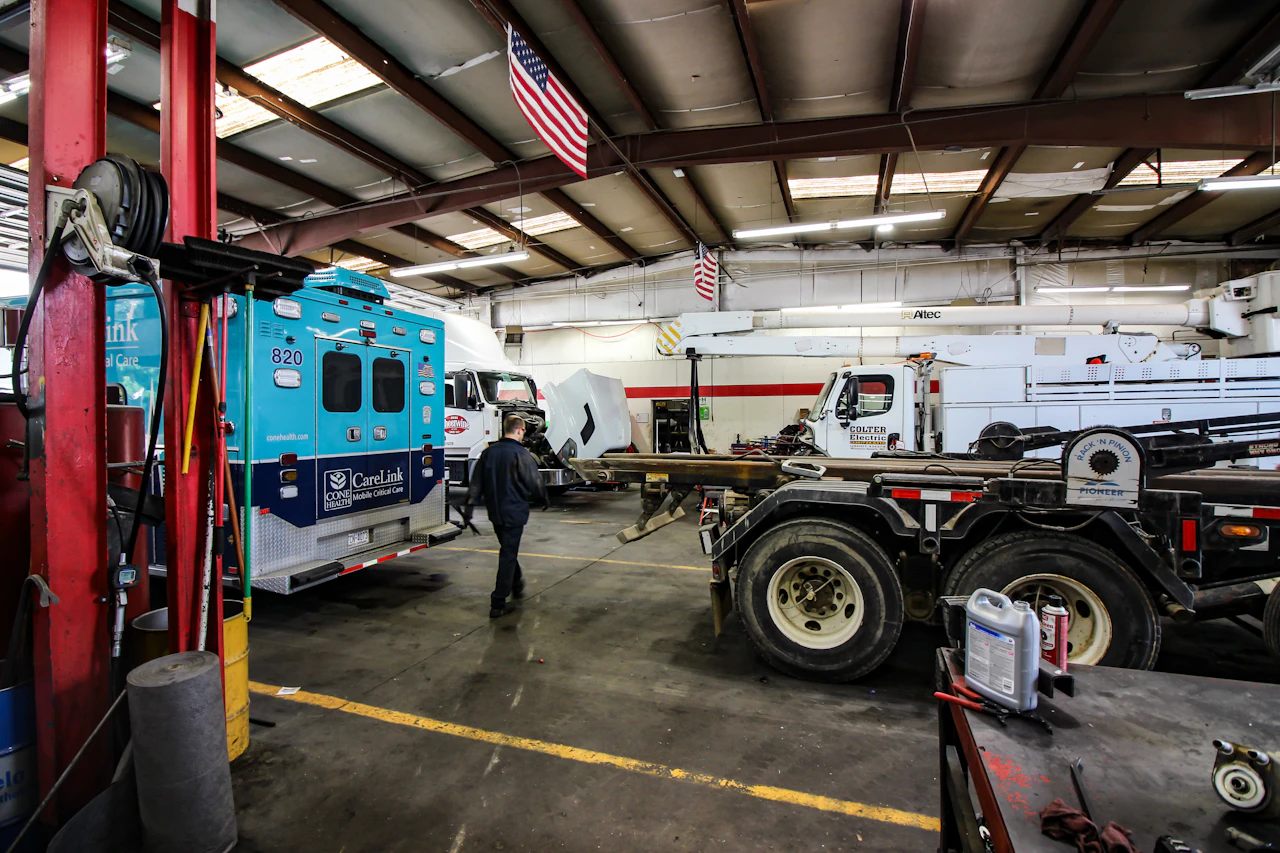
Not every diesel truck repair shop is worth your time, and a bad choice has real consequences. A subpar repair doesn't just cost you money upfront. It can mean days off the road, failed inspections, and the same problem coming back around because nobody bothered to find the actual cause.
In heavy-duty transportation, not all shops are created equal. Some fix the immediate problem and send you on your way. The best ones treat your truck like the working asset it is, diagnosing thoroughly, communicating clearly, and standing behind their work long after you've pulled out of the lot. So what actually separates a top-tier diesel truck repair shop from the rest? Here's what to look for.
1. Advanced Diagnostic Capabilities
A high-quality diesel truck repair shop doesn’t rely on trial and error. Modern heavy-duty trucks are rolling computers. Between the Engine Control Module (ECM), aftertreatment systems, and automated transmissions, diagnostics require more than a wrench and intuition.
OEM-Level Diagnostic Software
Without proper scan tools, technicians are essentially working blind. And let’s be honest, guesswork costs time and money. Top-tier shops should invest in manufacturer-specific diagnostic software. This allows technicians to:
- Read fault codes accurately
- Perform forced DPF regenerations
- Calibrate injectors
- Update ECM programming
- Diagnose aftertreatment system issues
Root Cause Analysis
A good shop doesn't just clear the code and hand you back the keys. If a truck keeps throwing DPF fault codes, the actual problem might be a failing EGR valve, a boost leak, or a faulty differential pressure sensor. Clearing the code without finding that does nothing except delay the inevitable.
The question worth asking any shop is how they approach recurring fault codes. If the answer is vague or they can't walk you through their diagnostic process, that's worth paying attention to. A shop that fixes symptoms stays busy. A shop that finds causes earns trust.
2. Certified, Experienced Technicians
Heavy-duty diesel engines are genuinely complex. From high-pressure common rail fuel systems to SCR aftertreatment components, getting the repair right requires real training and hands-on experience with the specific equipment you're running.
A reputable shop employs technicians with:
- ASE certifications
- OEM training credentials
- Experience with Class 7 and Class 8 trucks
- Ongoing education in emissions systems and electronics
That depth of knowledge matters more than it might seem. A seasoned diesel technician understands how combustion works inside the cylinder, how pressurized oil moves through the system, and how turbocharger boost affects exhaust temperatures. That understanding is what leads to faster, more accurate diagnostics and repairs that actually hold up.
Don't hesitate to ask about certifications before you commit. A shop that's confident in its team won't hesitate to answer.
3. Transparent Communication and Detailed Reporting
A professional shop keeps you informed from start to finish. That means clear estimates before any work begins, honest timelines, detailed explanations of what was found and what was done, and photos of failed components when it helps tell the story.
For fleet managers, that kind of transparency includes knowing exactly what was repaired, what's coming up, and how long a truck will be down, which lets you forecast downtime and keep operating costs under control across multiple units.
A professional diesel truck repair shop keeps you informed from start to finish:
- Clear estimates before work begins
- Detailed explanations of what was found and what was done
- Photos of failed components when possible
- Honest timelines without the runaround
Many quality shops now take it a step further with digital vehicle inspection reports that outline immediate safety concerns, maintenance recommendations, and upcoming wear items. It turns a repair visit into a clear picture of where each truck actually stands, and that level of detail is one of the clearest signs you're dealing with a shop that takes the work seriously.
4. Preventive Maintenance Focus
Regular maintenance protects against engine damage, overheating, oil pressure loss, and fuel system contamination, all common causes of downtime. A reactive shop will fix your breakdowns. A proactive diesel truck repair shop prevents them.
Preventive maintenance includes:
- Oil and filter changes
- Coolant system inspections
- Brake system evaluations
- Transmission fluid checks
- Air dryer and air brake inspections
- After-treatment system servicing
Compliance is another area where the right shop earns its keep. DOT inspections and BIT inspections, which are required every 90 days, demand consistent oversight and documentation. A shop that understands those regulatory requirements doesn't just keep your trucks running, it keeps your operation protected.
5. Commitment to Turnaround Time and Uptime
An elite diesel truck repair shop understands this and structures operations accordingly:
- Efficient parts sourcing
- Organized workflow systems
- Dedicated service advisors
- Clear labor time estimates
They balance quality with speed, because rushing repairs leads to comebacks, and comebacks waste everyone’s time.
Parts Availability: Quality shops maintain strong supplier relationships, and fast access to components like turbos, fuel pumps, and air compressors can mean the difference between a one-day repair and a week of downtime.
Clean, Organized Facility: The condition of a shop reflects how it operates, and clean bays, organized tools, and a structured workflow are usually a reliable sign that the work coming out of it meets the same standard.
Choose a Quality Diesel Truck Repair Shop
The right diesel truck repair shop does more than fix problems. They keep your fleet moving, your costs predictable, and your trucks compliant. In North Carolina, that level of service is what National Fleet Management is built around.
If you're ready to work with a repair network that takes the long view on fleet performance, reach out today. Let's talk about what the right partnership looks like for your operation. For more information about truck repair, read our article on the connection between brake fade and cold weather.
Schedule service with National Fleet Management today!
More Articles
.webp)
How to Schedule Maintenance Around Charlotte, Triad, Triangle, and Statesville Routes
A Charlotte delivery truck and a Statesville highway tractor can rack up wear in very different ways. Learn how route-based preventive maintenance uses mileage, engine hours, duty cycles, driver feedback, and repair history to schedule service more accurately.
Read more
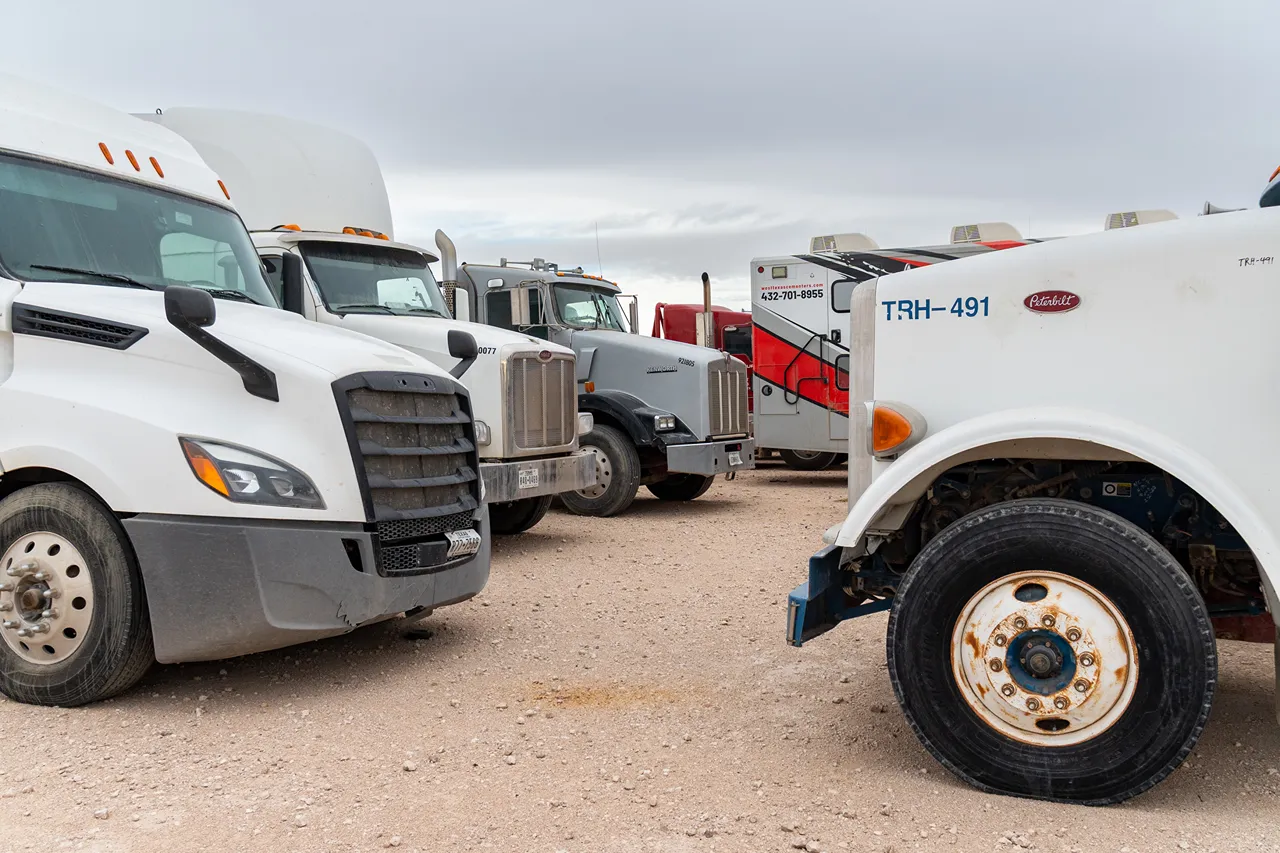
October Fleet Maintenance for I-85 Trucks: Cooling, Tires, Brakes, and Batteries
October gives I-85 fleets a timely chance to catch summer wear before it becomes fall downtime. Focus on cooling systems, tires, brakes, and batteries after months of heat and high mileage across Charlotte, Greensboro, Durham, and North Carolina's Piedmont.
Read more