704-676-6023
Fleet Repairs
National Fleet Management is a heavy-duty repair shop that does engine rebuilds, repairs, and conversions of all kinds. Whether you’ve blown a head gasket or want to swap your engine out entirely, you can rest well knowing our technicians have your back. Call today to book an appointment.
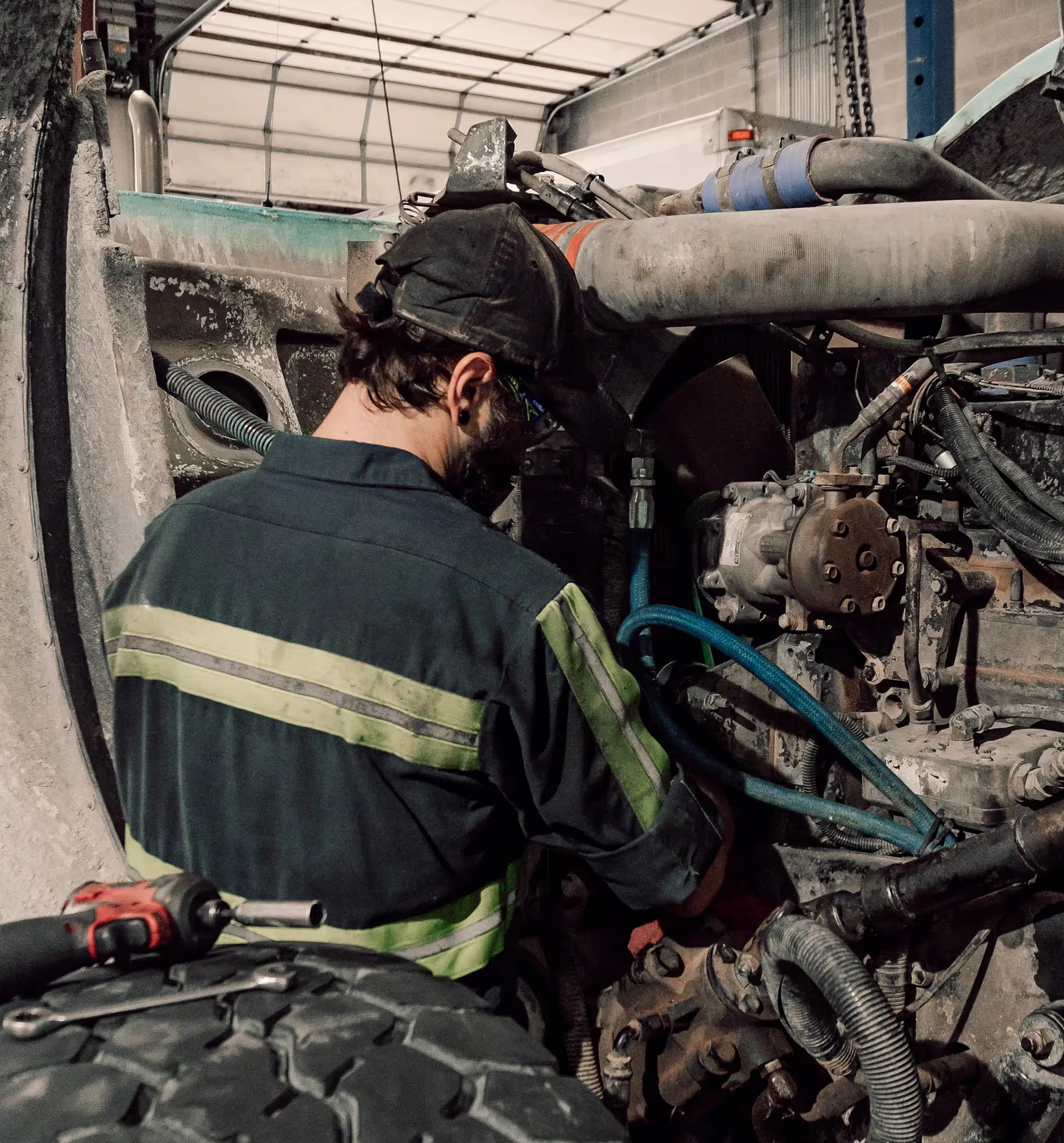
National Fleet Management repairs heavy-duty diesel engines, from emissions control system failures to major internal damage like blown head gaskets. Our technicians are experienced with heavy-duty diesel platforms and structure repairs to minimize shop time, so fleet vehicles aren't out of service longer than necessary. [CONFIRM: specific engine brands/platforms serviced — e.g. Cummins, Detroit, Caterpillar, Paccar]
Common Engine Repairs
Stuck EGR Valves
A stuck-open EGR valve routes exhaust back into the combustion chamber continuously instead of only when needed, which lowers combustion temperature and reduces available oxygen - both problems for a diesel engine. Symptoms include rough idle, difficulty starting, and noticeably poor performance.
Blown Head Gaskets
The head gasket seals the cylinder head to the block, allowing them to expand and contract independently without cracking, while keeping oil and coolant out of the combustion chamber. Prolonged overheating is the most common cause of gasket failure. Symptoms include white smoke from the exhaust, boiling coolant, and milky oil.
Turbocharger Failure
A failing turbo often shows up as a noticeable loss of power, especially under load or on grades, along with excessive exhaust smoke (blue, black, or gray depending on the failure) and a whining or grinding noise from the turbo itself.
Injector Problems
Faulty fuel injectors cause rough idle, misfiring, poor fuel economy, and hard starting. A failing injector can also cause excessive white or black smoke and, in some cases, engine knock.
Coolant System Leaks
Beyond a blown head gasket, coolant leaks from hoses, the water pump, or the radiator show up as low coolant warnings, overheating, and visible fluid under the vehicle. Left unaddressed, they lead to the same overheating damage a head gasket failure causes.
Oil Pressure Loss
Low oil pressure can stem from a failing oil pump, a clogged filter, or worn bearings. Warning signs include an illuminated oil pressure light, ticking or knocking noises, and in advanced cases, visible metal shavings in the oil.
Excessive Blow-By
Excessive crankcase pressure - often visible as smoke or oil mist from the breather tube - usually points to worn piston rings or cylinder walls, letting combustion gases past the pistons into the crankcase.
Diesel Particulate Filter (DPF) Clogging
A clogged DPF causes reduced power, frequent forced regeneration cycles, and dashboard warning lights. It's often related to short-trip driving patterns or an underlying issue causing excess soot production.
Engine Conversion Services
National Fleet Management performs engine conversions and repowers, replacing an aging or non-compliant engine with a rebuilt or updated unit rather than replacing the entire vehicle. This is typically a lower-cost option than a new truck purchase when the chassis and drivetrain are still in good condition. [CONFIRM: specific conversion types offered — fuel type conversions (diesel to CNG/propane), engine platform swaps, glider kit/repower work, or emissions-compliant engine replacement]
When an Engine Conversion Makes Sense
Engine Reaching End of Service Life
When an engine has accumulated enough hours or mileage that repair costs are climbing and reliability is dropping, a conversion can extend the vehicle's usable life without a full replacement.
Emissions Compliance Requirements
[CONFIRM: does NFM handle repowers specifically for emissions compliance — older non-compliant engines replaced with EPA-compliant units — or is this out of scope]
Chassis in Good Condition, Engine Failing
If the frame, drivetrain, and body are still serviceable but the engine has failed or is no longer cost-effective to repair, a conversion preserves the rest of the vehicle's value.
Engine Rebuild Services
An engine rebuild restores a worn or damaged engine to factory specifications rather than replacing it outright. National Fleet Management rebuilds heavy-duty diesel engines — reconditioning or replacing pistons, rings, bearings, and the crankshaft, and machining cylinder walls as needed — to extend engine life at a lower cost than a full replacement. [CONFIRM: in-frame vs. out-of-frame rebuild capability, and typical cost/turnaround range]
Signs an Engine Needs a Rebuild Rather Than a Repair
Recurring Failures Across Multiple Components
When an engine keeps developing new issues after individual repairs — one component fixed, another failing soon after — it often means overall wear has reached the point where a rebuild addresses the root cause instead of chasing symptoms.
High Oil Consumption
An engine burning oil between changes, without an external leak to explain it, usually points to worn piston rings or cylinder walls — a sign the internals need reconditioning.
Low Compression Across Cylinders
Uniformly low compression readings across cylinders typically indicate general wear from age and mileage, rather than a single failed component, and are a strong signal that a rebuild will outperform continued repairs.
High Mileage or Hours With Declining Performance
An engine well past its expected service interval that's losing power, fuel economy, or reliability is often a better candidate for a rebuild than continued patch repairs.
Mobile Engine Repair
For engine issues that don't require full shop equipment, NFM's mobile units handle diagnostics, injector service, and minor component repair on-site - keeping a truck out of the shop queue when possible. [CONFIRM: which mobile markets cover engine work, and exact scope]
When to Call for Mobile Engine Repair
Diagnostic Checks
Engine diagnostics and fault code retrieval can often be done on-site to identify the issue before deciding whether further repair needs a shop visit.
Minor Component Repair
Issues like injector replacement or sensor faults are common field repairs that don't usually require shop equipment.
Major internal repairs - head gasket replacement, turbocharger overhaul, or anything requiring the engine to be pulled or lifted - require shop equipment and are completed at our full-service locations.
Engine Repair, Rebuild & Conversion FAQs
What causes a head gasket to blow?
Prolonged engine overheating is the most common cause. Once the gasket fails, symptoms include white exhaust smoke, boiling coolant, and milky oil - all signs the repair should happen right away.
Is it safe to keep driving with a stuck EGR valve?
Driving with a stuck EGR valve isn't recommended. It reduces combustion temperature and available oxygen, leading to rough idle, hard starting, and poor performance that typically worsens over time.
H3: What's the difference between routine maintenance and engine repair?
Preventive maintenance - oil changes, filter replacement, fluid checks - is aimed at catching issues before they cause failure. Engine repair addresses a problem that's already occurred, like a blown head gasket or failed turbocharger.
Is mobile engine repair available?
Mobile units handle diagnostics, injector service, and minor component repair on-site. [CONFIRM: which mobile markets] Major internal repairs require shop equipment and are completed at our full-service locations.
Serving Fleets Across the Region
Full-service engine repairs in:
- Charlotte, NC
- Greensboro, NC
- Durham, NC
- Statesville, NC
Mobile service also available in:
- La Grange & Kinston, NC
- Carlisle, PA
- Greenville, SC
- Lexington, KY
- Wilmington, NC
- Bowling Green, KY
- Roanoke, VA
Repair, Repower, or Rebuild - Get More Life Out of Your Fleet
Whether it's a quick repair, a full rebuild, or a conversion, find out which option gets you back on the road for less than a replacement. Contact us today to discuss your options.
Multiple Locations to Serve You
24/7 fleet repairs and maintenance to keep your business running.
Charlotte, NC
Charlotte, NC
Greensboro, NC
Greensboro, NC
(Ford & Chevy)
Durham, NC
Durham, NC
(Ford & Chevy)
Statesville, NC
Statesville, NC
Louisville, KY
Louisville, KY
Bowling Green, KY
Bowling Green, KY
Roanoke, VA
Roanoke, VA
Indianapolis, IN
Indianapolis, IN
Cincinnati, OH
Cincinnati, OH
Calhoun-Cartersville, GA
Calhoun-Cartersville, GA
Myrtle Beach, SC
Myrtle Beach, SC
La Grange & Kinston, NC
La Grange & Kinston, NC
Mobile Only
Carlisle, PA
Carlisle, PA
(Mobile Only)
Greenville, SC
Greenville, SC
(Mobile Only)
Lexington, KY
Lexington, KY
Mobile Only
Owensboro, KY
Owensboro, KY
(Mobile Only)
Evansville, IN
Evansville, IN
(Mobile Only)
Wilmington, NC
Wilmington, NC
(Mobile Only)
Schedule service with National Fleet Management today!
What Our Customers Are Saying
We strive to provide the best fleet repair and maintenance services for our valued customers in North Carolina.
LaQuan Pollard

"Came in to get my trailer fixed and when I say these guys here are the best I mean it cause these guys went beyond to make sure I got back to my pickup to get loaded. If I give them 10 stars I could"
Randy Robinson
"Put in there and have airlines check for air leak and they found three of them right off the top fast not to go back in the heartbeat for all those problems they're great company"
LMH Logistics
"Stanley and his team have provided excellent service in fixing our work trucks. They are professional and always timely. They communicate with us to keep us posted on the status of repairs and we've enjoyed working with the entire team here."
William Wrenn
"I can tell you firsthand these guys are the best at what they do. Courteous, polite and always very professional. Look no further for someone you can trust."
Helena Honcharuk
"You don’t need to worry about your car! Here will help bring the car in good condition!!!
Good service!!!"
Good service!!!"
Michael Latch
"Stopped by the Durham location with a truck in limp mode, and while they were unable to disable the derate, the manager Jeremy was extremely helpful and did not even charge any diag fees. Very nice people."
Danholyfire1
"Very friendly and courteous people.
Had my PM, DOT inspection and slack adjusters installed promptly and price was reasonable."
Had my PM, DOT inspection and slack adjusters installed promptly and price was reasonable."
Shannon Wilson
"If you have a truck that is having any kind of mechanical issues. They can fix your truck and have you back rolling in no time. Great customer service."
Dylan S
"Had a quick turn around and even though they were booked up they were very fair for everything else."
Abu Sheyx
"Amazing people working here very good costumer service they did really good job thank you guys."
Henri Newkirk
"THIS PLACE BELIEVES IN TAKING CARE OF THE CUSTOMER!!! David in service made sure that everything was top notch and showed the true meaning of above and beyond customer service he was knowledgeable and the mechanics were excellent as well! Because of David I will always be a customer at National Fleet!!!"
Jason Little
"Very good place prompt and great service , they take attention to detail and make sure it’s done right the first time."
Christina Burns
"Had a vehicle on there location to inspect. Everyone was super nice and helpful."
Commercial Truck Fleet Repair Services
Whether one of the trucks in your fleet needs engine repair or a suspension overhaul, you can rest assured knowing we’ve got your back. Our technicians are more than capable of performing complex repairs of all kinds. We rebuild transmissions, overhaul engines, repair entire drivetrains, and so much more.
Axle Repair
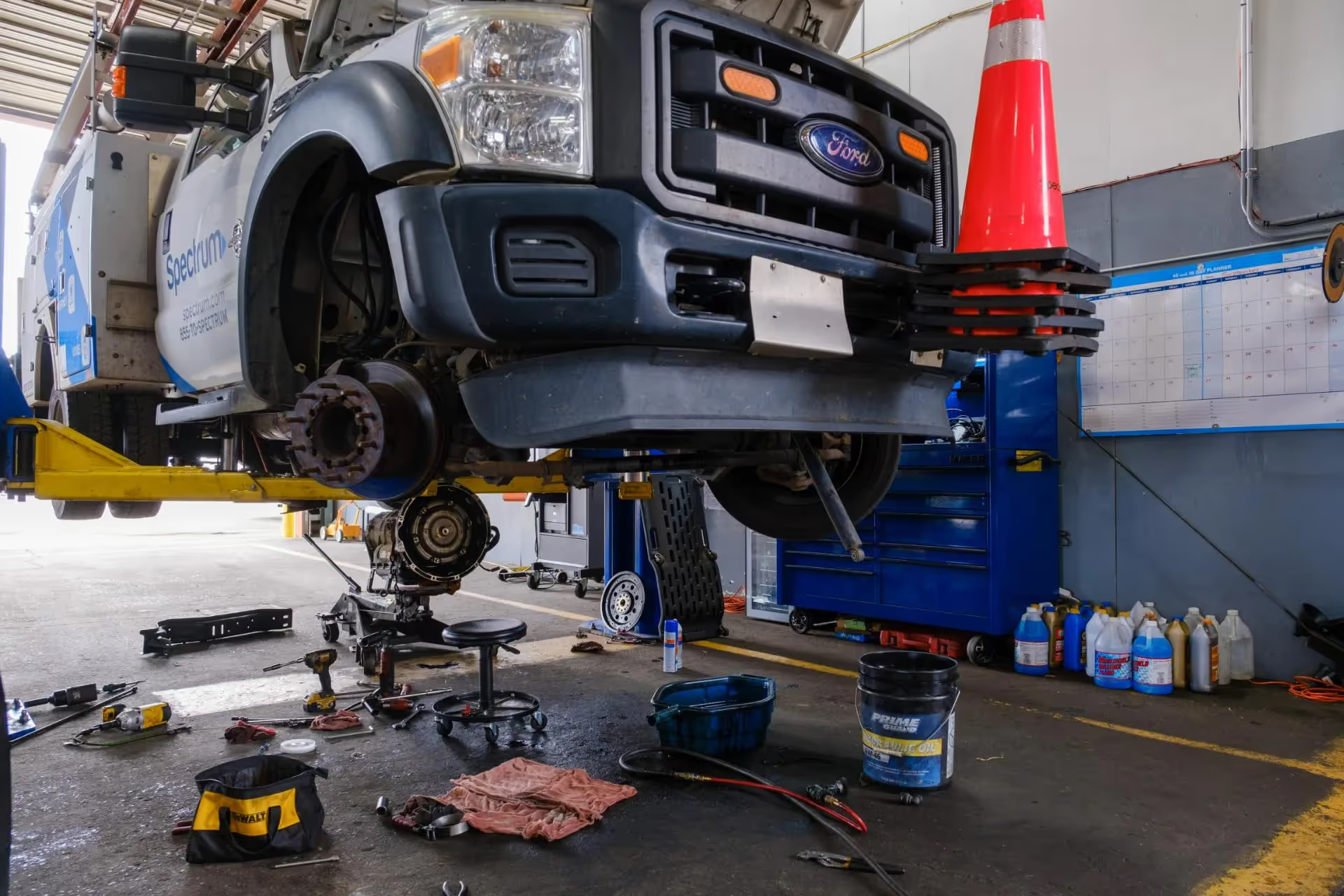
National Fleet Management repairs and replaces heavy-duty truck axles - including axle shafts, wheel bearings, seals, and hub assemblies - for steer, drive, and trailer axles. Work is done at our full-service shops in Charlotte, Greensboro, Durham, and Statesville, NC, plus mobile axle service across our coverage area for fleets that can't afford the downtime of a shop visit.

Body Work
Are you looking for a shop that does body work on heavy-duty trucks? Well, you can stop looking, for we here at National Fleet Management offer a wide range of bodywork services. From body panels to roofing and everything in between, National Fleet Management is the place to be.
Brake Repair
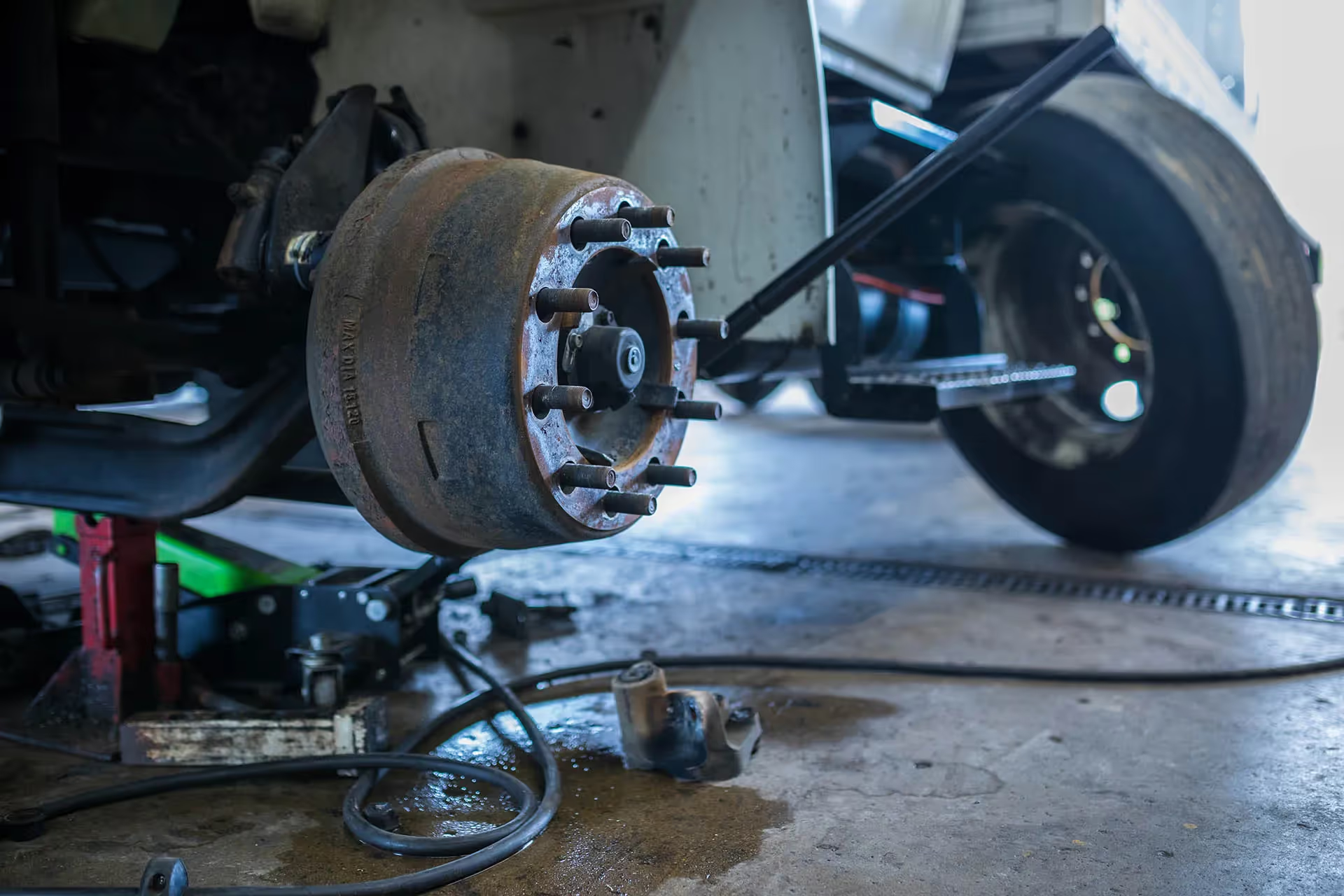
Are you looking to get your heavy-duty brakes serviced? Whether you use an air-based setup or more traditional fluid systems, you’ll find the services you need here at National Fleet Management. Contact us today to book an appointment.
Coolant System Repair
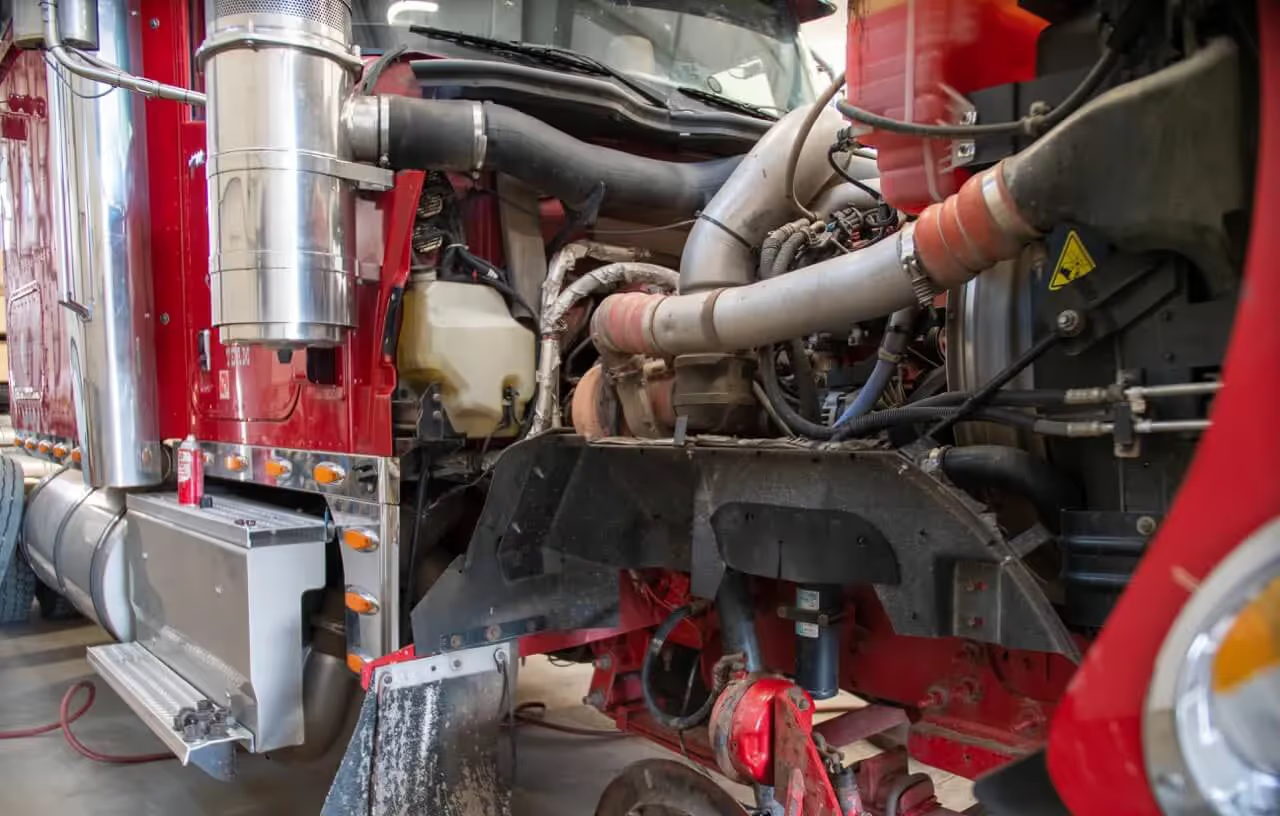
Are you in need of coolant system repairs? Maybe the engine in one of your trucks is overheating, and you can’t figure out why. Not to worry! We here at National Fleet Management are coolant system experts. We maintain and repair coolant systems of all kinds on almost a daily basis! Call today to book an appointment.
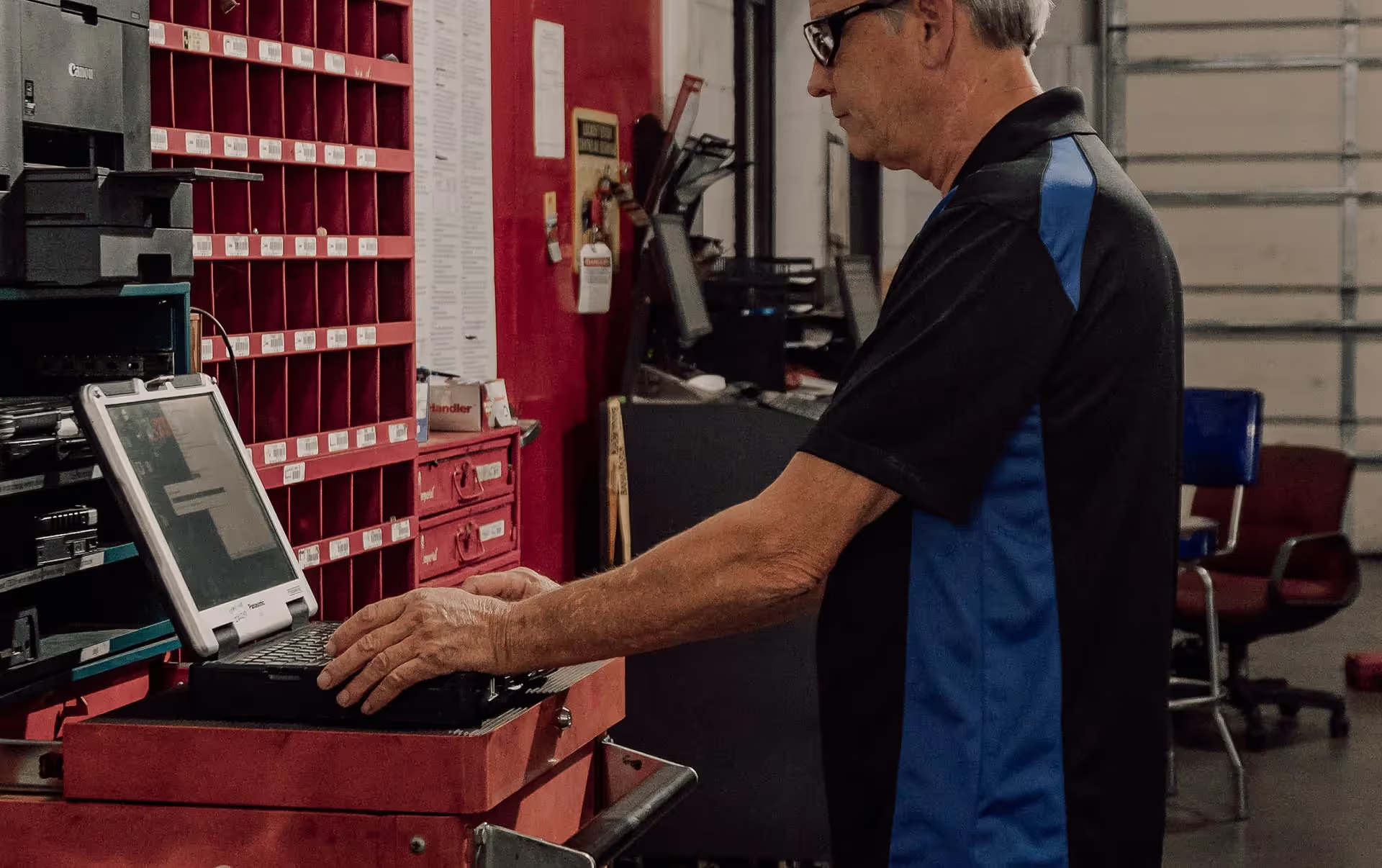
Diagnostics & Electrical Repair
Are you having electrical problems? Are you looking for a heavy-duty shop to fix those issues? Well, you can stop looking! We here at National Fleet Management are diagnostics experts! We’ll have any and all electrical issues sorted out before you know it! Call today to book an appointment for service.
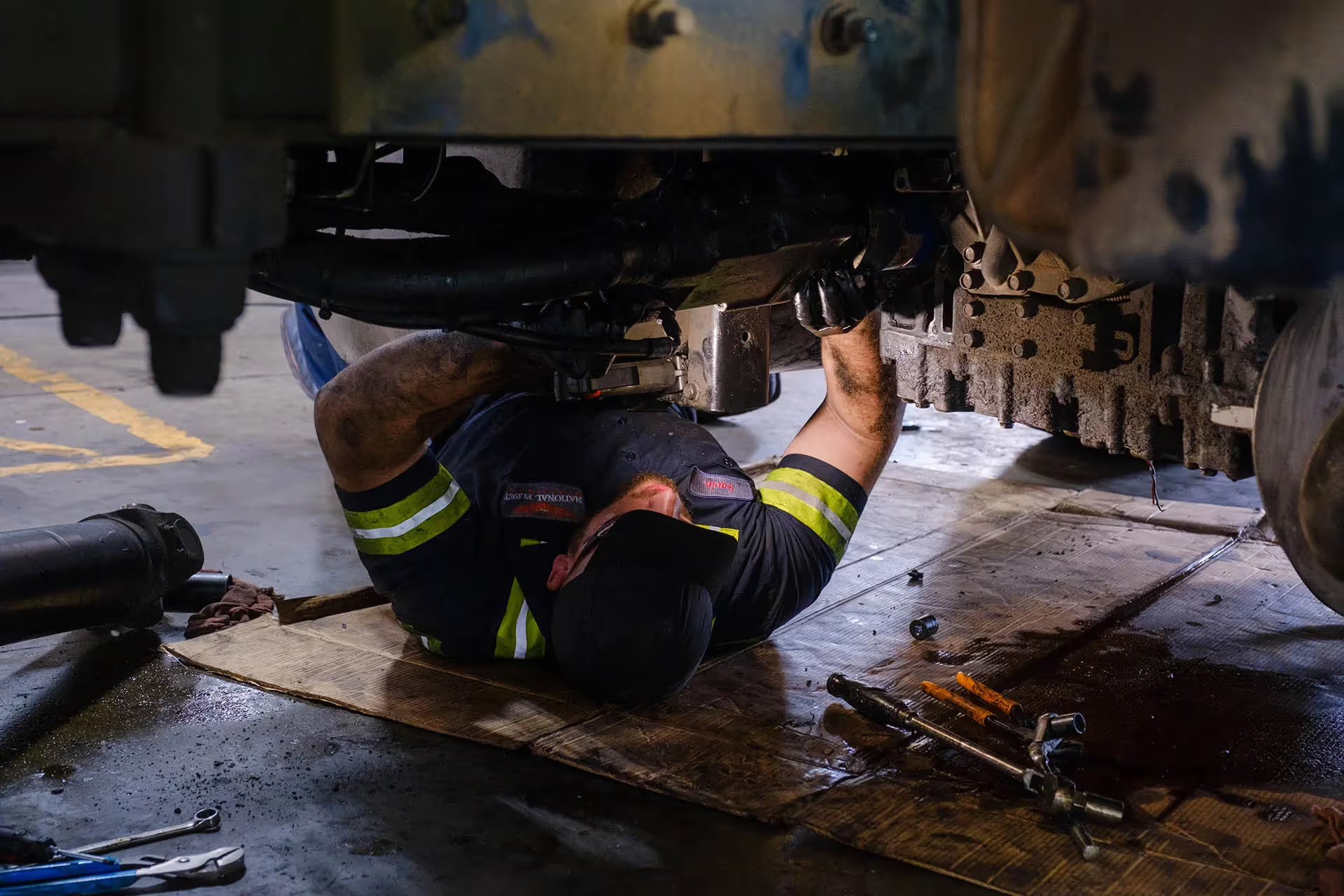
Drivetrain Repair
With a full roster of technicians and over a decade of experience in the heavy-duty repair industry, National Fleet Management has the services you and your fleet deserve. For all your drivetrain needs, give us a call, and we’ll book you an appointment.
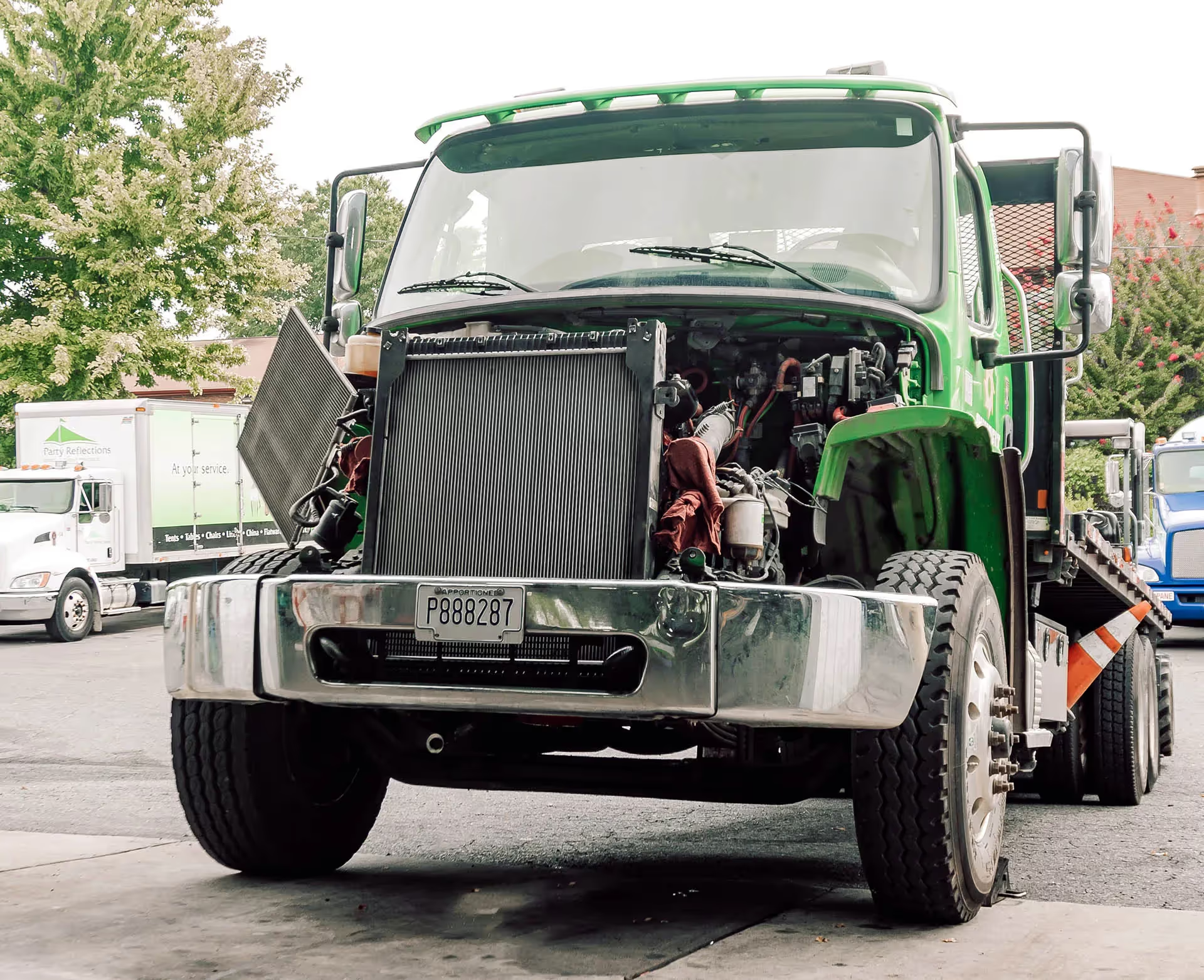
EGR & DPF
Are you looking for a shop that works on emissions control systems? Well, you’ve found one! We here at National Fleet Management are emissions control experts. We do everything from EGR repairs to catalytic converter replacements. Call today to book an appointment.
Engine Repair, Rebuild & Conversion
National Fleet Management is a heavy-duty repair shop that does engine rebuilds, repairs, and conversions of all kinds. Whether you’ve blown a head gasket or want to swap your engine out entirely, you can rest well knowing our technicians have your back. Call today to book an appointment.
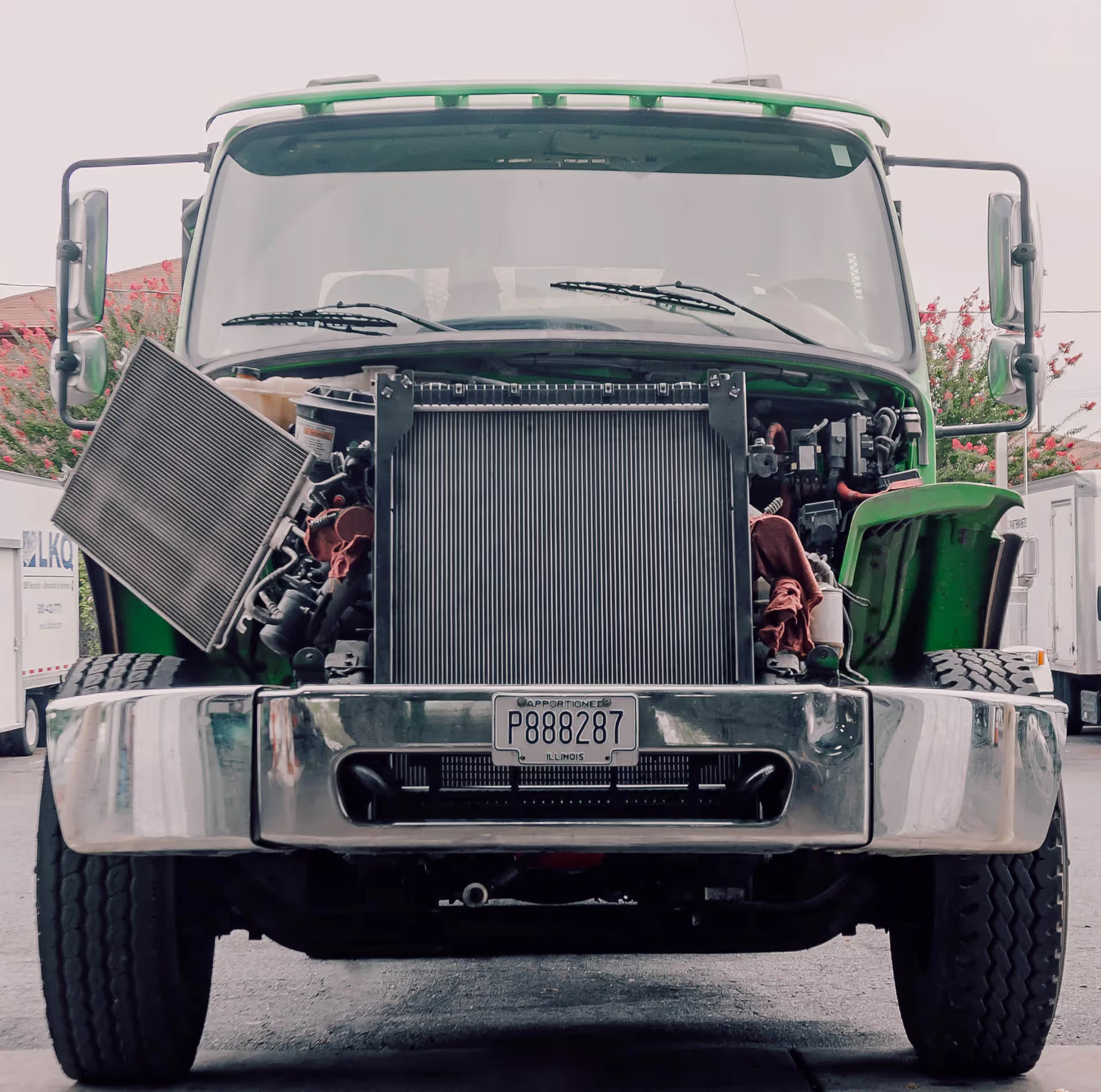
Exhaust System Repair
Whether it be exhaust leaks or damaged heat shields, you’ll be able to find high-quality repair services here at National Fleet Management. With over a decade of experience in the heavy-duty repair industry, we’ve got you covered. Contact us today to book an appointment.
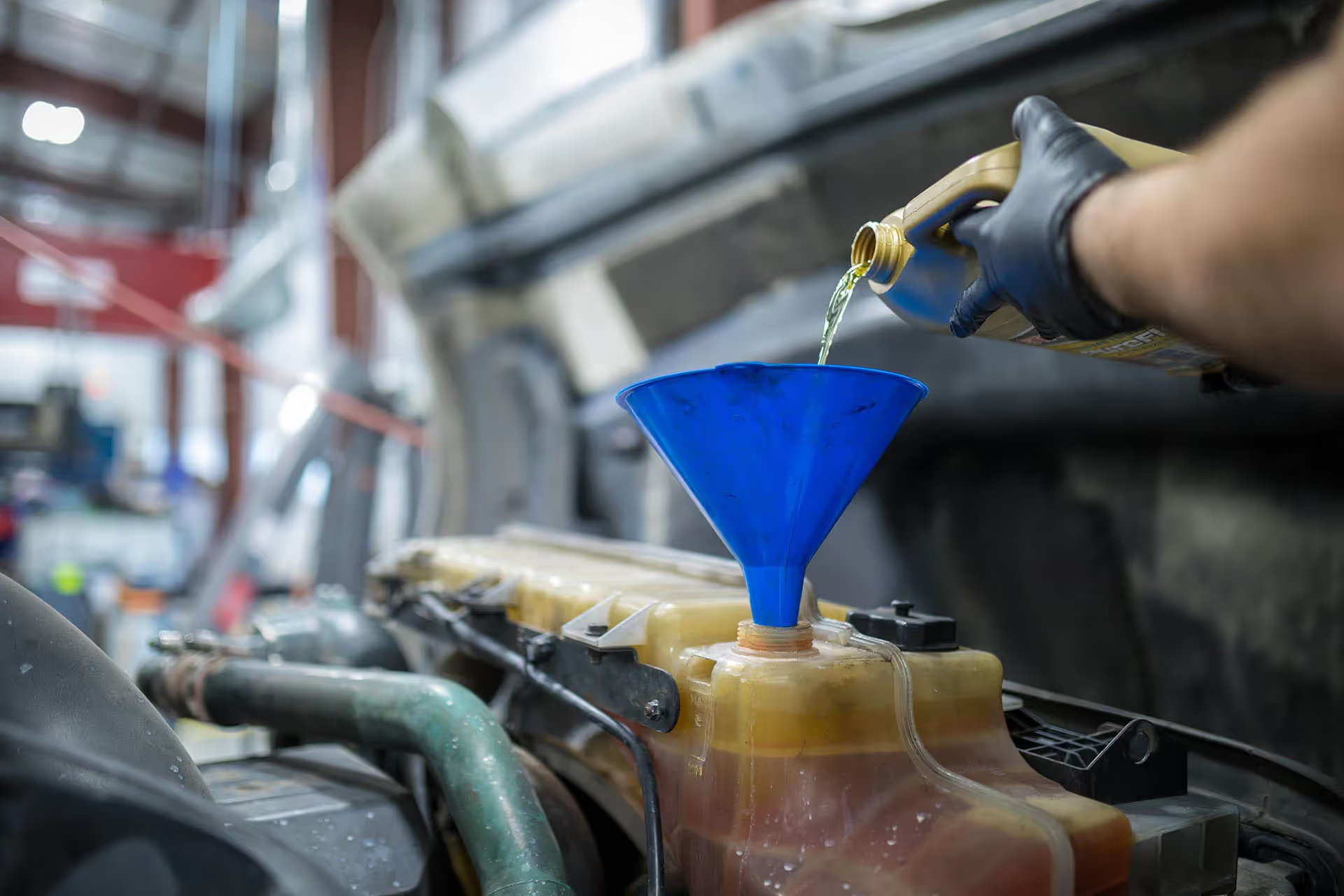
Express Lube
Our express lube services here at National Fleet Management are designed to fulfill the oil and fluid needs of any preventive maintenance regimen. Whether you need an engine oil change or a new transmission fluid, our express lube technicians will have your fluids changed in a jiffy!
.avif)
HVAC System Repair
Is your HVAC system struggling to keep up with North American weather? Maybe it doesn’t blow cold enough in the summer or doesn’t heat up enough in the winter. Here at National Fleet Management, we’ve got a wide selection of services that are sure to meet your every need.
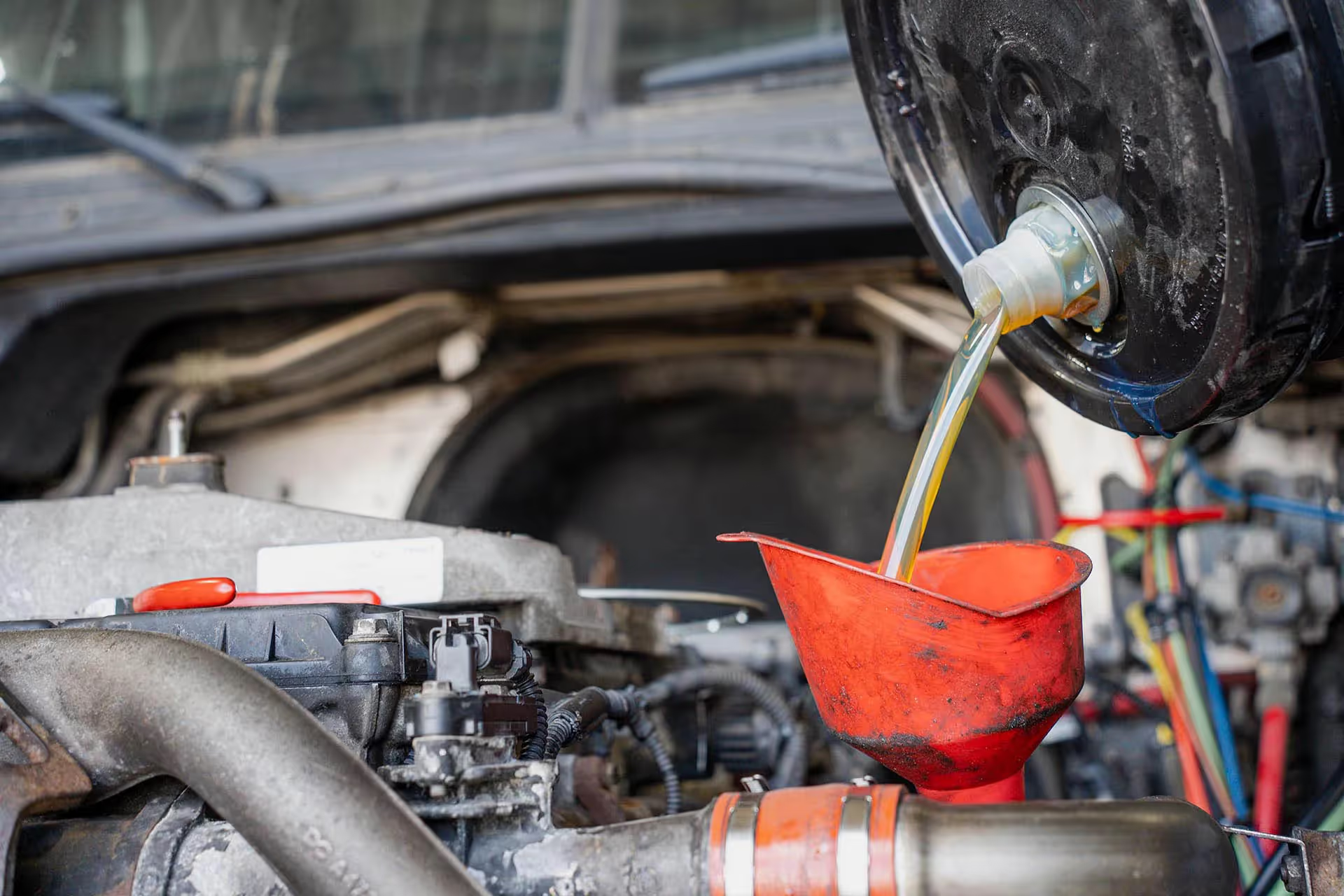
Oil & Fluid
Changing oil and fluids regularly is the most important aspect of any preventive maintenance regimen. Here at National Fleet Management, we have oil and fluid services of all kinds. Whether you need a transmission fluid change or a coolant flush, we’ve got you covered.
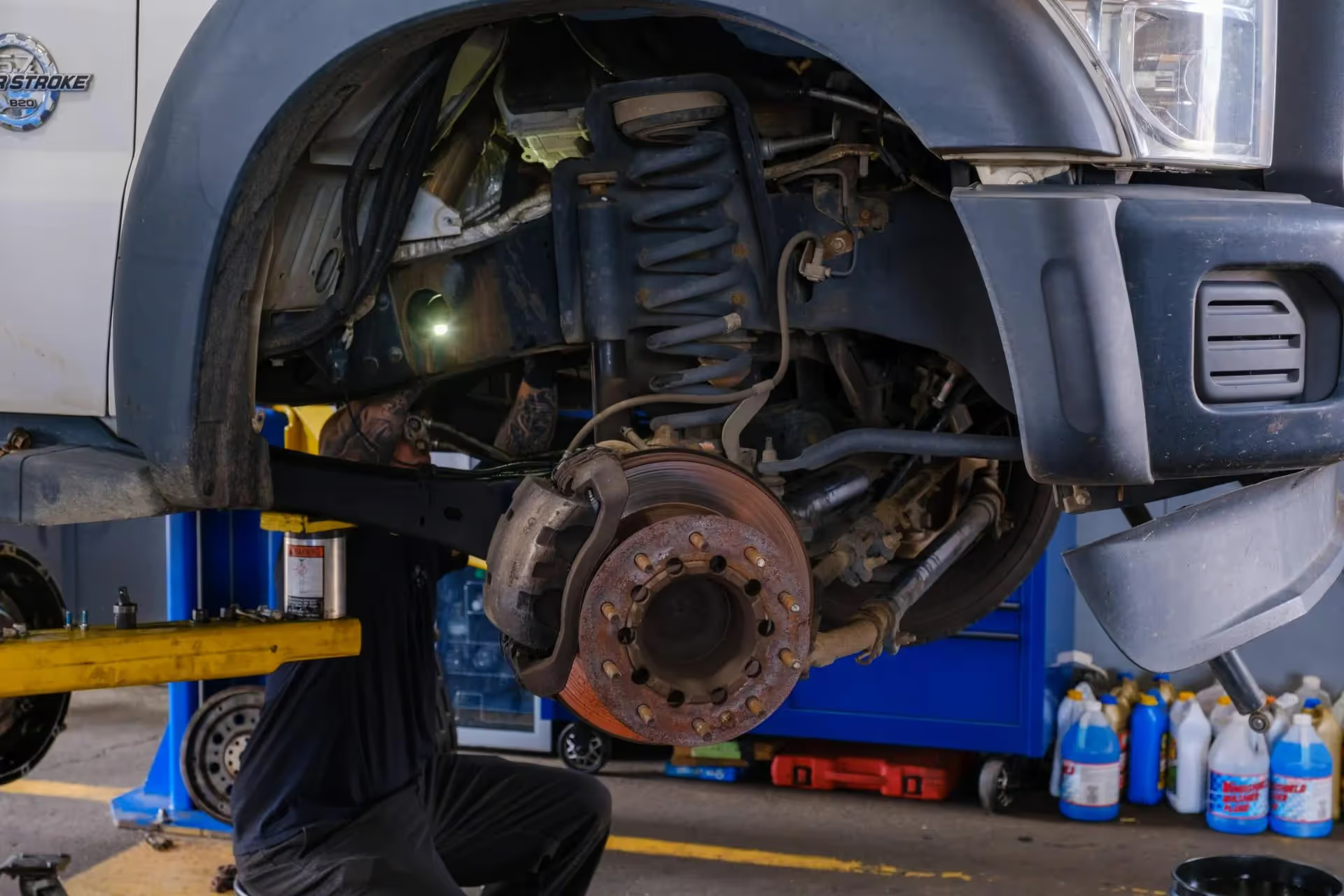
Suspension Repair
Do you want to get your heavy-duty truck’s suspension repaired or maintained? Well, looks like you’ve come to the right place! Here at National Fleet Management, we offer suspension services of all kinds. Whether you need new bushings or repaired shock absorbers, we’ve got your back.

Transmission & Clutch Repair
National Fleet Management repairs and services heavy-duty truck transmissions and clutches - from fluid changes and shift motor repair to full transmission rebuilds and clutch replacement - at our Charlotte, Greensboro, Durham, and Statesville, NC shops, with mobile service available across our coverage area.