704-676-6023
Articles
The Link Between Brake Fade and Cold Weather: What Truckers Should Know in North Carolina
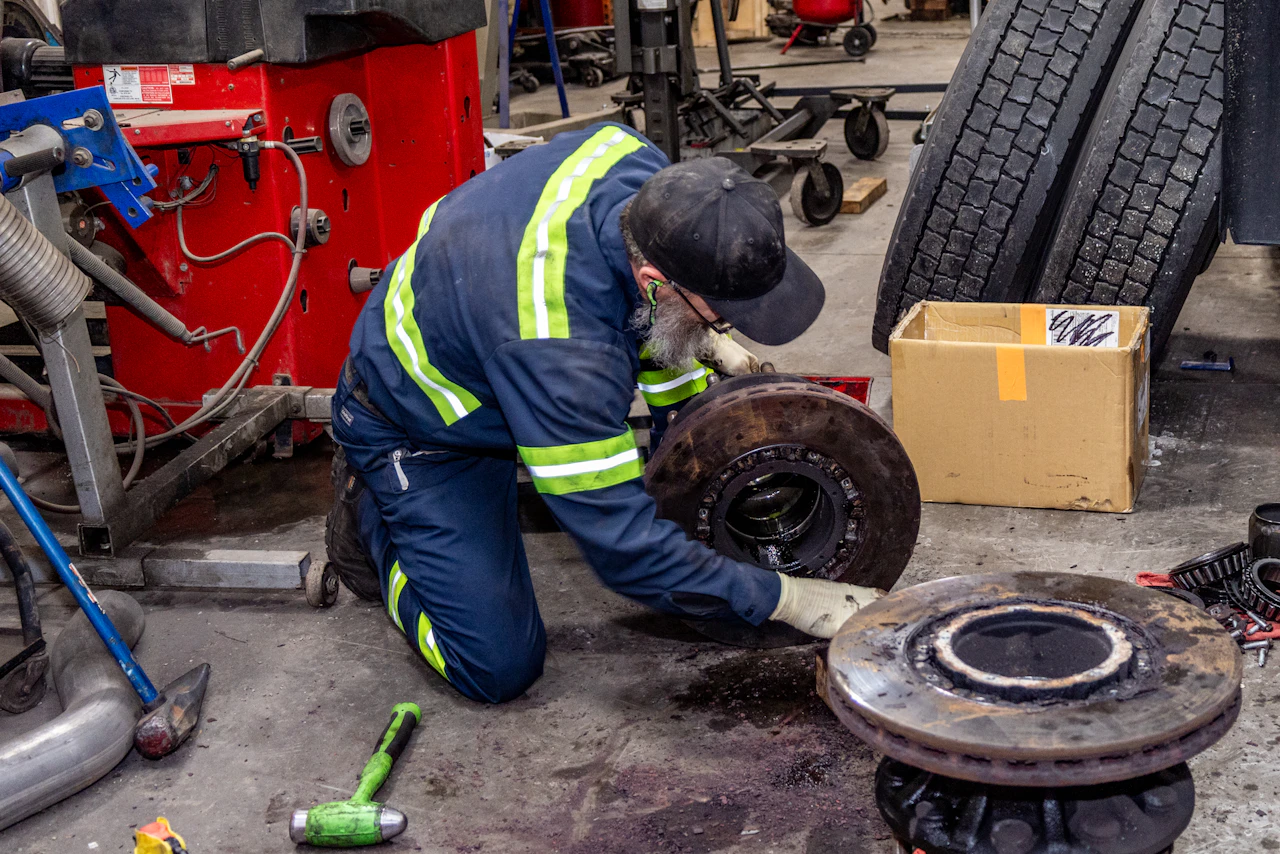
When winter hits North Carolina, most drivers worry about icy roads and low visibility. But there’s another cold-weather threat that doesn’t always get the spotlight, winter brake fade in heavy-duty trucks.
Brake systems behave differently in freezing temperatures. Moisture freezes. Components contract. Salt corrodes. Add in long downhill grades and heavy loads, and you’ve got the perfect recipe for cold-weather brake performance issues.
For fleets traveling through North Carolina’s mountainous regions, including routes through the Blue Ridge Mountains and western corridors like I-40 and I-26, these risks multiply. Extended downhill grades demand sustained braking power, and in winter conditions, that constant brake application accelerates heat buildup even faster.
When cold-compromised components meet long descents, brake fade becomes a serious operational hazard. Let’s break down what causes winter brake fade, why it’s more common than you think, and how to prevent it.
What Is Brake Fade in Heavy-Duty Trucks?
Brake fade occurs when your braking system loses effectiveness due to excessive heat buildup. In heavy-duty trucks, air brake systems rely on friction between brake shoes and drums to slow down thousands of pounds of moving weight.
Under normal conditions, that friction converts motion into heat. But when heat builds up faster than it can dissipate, braking efficiency drops. Pedal pressure increases, stopping distances lengthen, and control decreases. But in winter conditions can actually make brake fade worse in certain situations.
Why Cold Weather Makes Brake Systems Vulnerable
You might assume cold air helps cool brakes and prevent overheating. And sometimes, it does. But winter introduces new variables that create unexpected braking problems.
1. Air Brake Moisture Buildup in Cold Weather
Heavy-duty trucks use compressed air brake systems. That air must remain dry to function properly. When air brake moisture buildup in cold weather occurs, condensation inside the air tanks and brake lines can freeze.
Frozen moisture restricts airflow, interferes with brake chamber function, and may even lead to partial brake engagement. This creates uneven braking force and contributes to cold-weather brake performance issues.
If moisture freezes inside the system, you could experience what many drivers call truck brake freezing, a dangerous situation where braking response becomes unpredictable.
2. Semi-Truck Brakes Freezing in Winter
When temperatures dip below freezing, condensation inside brake components can solidify. This is one of the leading causes of semi-truck brakes freezing in winter.
Frozen slack adjusters, stiffened diaphragms, or iced-over valves prevent proper brake release. If brakes drag while you drive, they generate heat. That heat increases the likelihood of brake fade once you apply heavier braking pressure later, especially on downhill grades.
In short, freezing leads to dragging. Dragging leads to overheating. Overheating leads to fade.
3. Ice and Snow Brake System Problems
Driving through slush, snow, and ice exposes brake assemblies to water intrusion. When that water refreezes overnight, brake components may stick.
Ice and snow brake system problems often show up as:
- Delayed brake response
- Uneven stopping
- Grinding noises
- Reduced air pressure efficiency
And here’s where it gets tricky: if one wheel-end drags due to freezing while others operate normally, uneven heat distribution increases fade risk on the functioning brakes.
The Downhill Danger: Brake Overheating on Icy Roads
Winter driving often means navigating icy grades and mountain roads. On downhill stretches, drivers may rely heavily on service brakes instead of engine braking.
Cold air might cool brakes slightly, but oftentimes, friction under heavy loads still produces intense heat. Combine that with already compromised components from moisture or freezing, and brake fade becomes much more likely. That’s why preventing winter brake fade requires both mechanical maintenance and proper driving habits.
Salt Corrosion on Truck Brake Components
North Carolina roads see salt treatment during winter storms. While salt improves traction, it accelerates salt corrosion on truck brake components.
Brake drums, shoes, S-cams, slack adjusters, and air lines are all vulnerable. Corrosion reduces component integrity and can cause:
- Reduced braking friction
- Air leaks
- Mechanical binding
- Premature wear
Corroded components don’t dissipate heat efficiently, increasing susceptibility to brake fade under stress.
The Role of Air Brake Systems in Cold Weather
Heavy-duty trucks use compressed air to activate brake chambers. The system includes:
- Air compressor
- Air dryer
- Air tanks
- Brake lines
- Service chambers
- Slack adjusters
- S-cams and brake shoes
Preventing Brake Fade in Freezing Temperatures
Preventing winter brake fade in heavy-duty trucks comes down to preparation and discipline.
Prioritize Winter Brake Maintenance
Proactive winter brake maintenance for diesel trucks reduces risks before temperatures drop. Professional commercial truck brake inspection for winter ensures your fleet stays compliant and safe.
Keep the Air System Dry
Moisture is the enemy in freezing temperatures. Make sure your air dryer cartridge is fresh and functioning correctly. Drain air tanks at the end of each shift. Removing condensation reduces the risk of frozen valves and semi-truck brakes freezing in winter.
Use Engine Braking Wisely
On icy downhill roads, rely more on engine braking and less on service brakes. Avoid riding the brakes continuously. Instead, apply firm, controlled braking in intervals. This reduces brake overheating on icy downhill roads and lowers fade risk.
Inspect for Corrosion
Winter road salt accelerates wear. Schedule periodic undercarriage washes and inspect for salt corrosion on truck brake components. Catching corrosion early prevents expensive repairs later.
Prepare Specifically for Mountain Routes
If your fleet operates in elevated regions of North Carolina, winter prep should include additional brake inspections before mountain dispatch. Verify brake balance across all wheel ends, confirm proper slack adjuster calibration, and ensure engine brake systems are fully functional. Even minor imbalances become amplified on steep descents.
Warning Signs of Winter Brake Problems
Pay attention to early symptoms of cold weather brake performance issues:
- Increased stopping distance
- Burning smell after downhill driving
- Air pressure warning lights
- Brakes are sticking after parking overnight
- Uneven braking force
If you notice these signs, don’t wait. Brake systems are too critical to ignore.
Stay Safe This Winter
Winter may bring hidden braking risks. Starting with air brake moisture buildup in cold weather to truck brake freezing, cold temperatures can compromise your stopping power in ways you might not expect.
Don’t let winter break fade catch you off guard. Schedule a professional brake inspection with National Fleet Management in North Carolina and keep your heavy-duty trucks safe, compliant, and road-ready all season long.
Schedule service with National Fleet Management today!
More Articles

Why High-Mileage Piedmont Fleets Need More Than Basic Oil and Filter Changes
High-mileage Piedmont fleets need more than fresh oil and filters. Learn how duty-cycle-based inspections of cooling, brakes, tires, electrical systems, drivelines, aftertreatment, and trailers can help reduce preventable downtime.
Read more
.webp)
Which Fleet Services Help Reduce Downtime on I-85 and I-77?
Charlotte fleets lose productive hours when small defects become roadside failures. Learn which preventive, diagnostic, mobile, trailer, brake, tire, cooling, and electrical services help keep trucks moving on I-85 and I-77.
Read more