704-676-6023
Articles
How to Spot and Fix Common Hydraulic Problems in Heavy-Duty Trucks
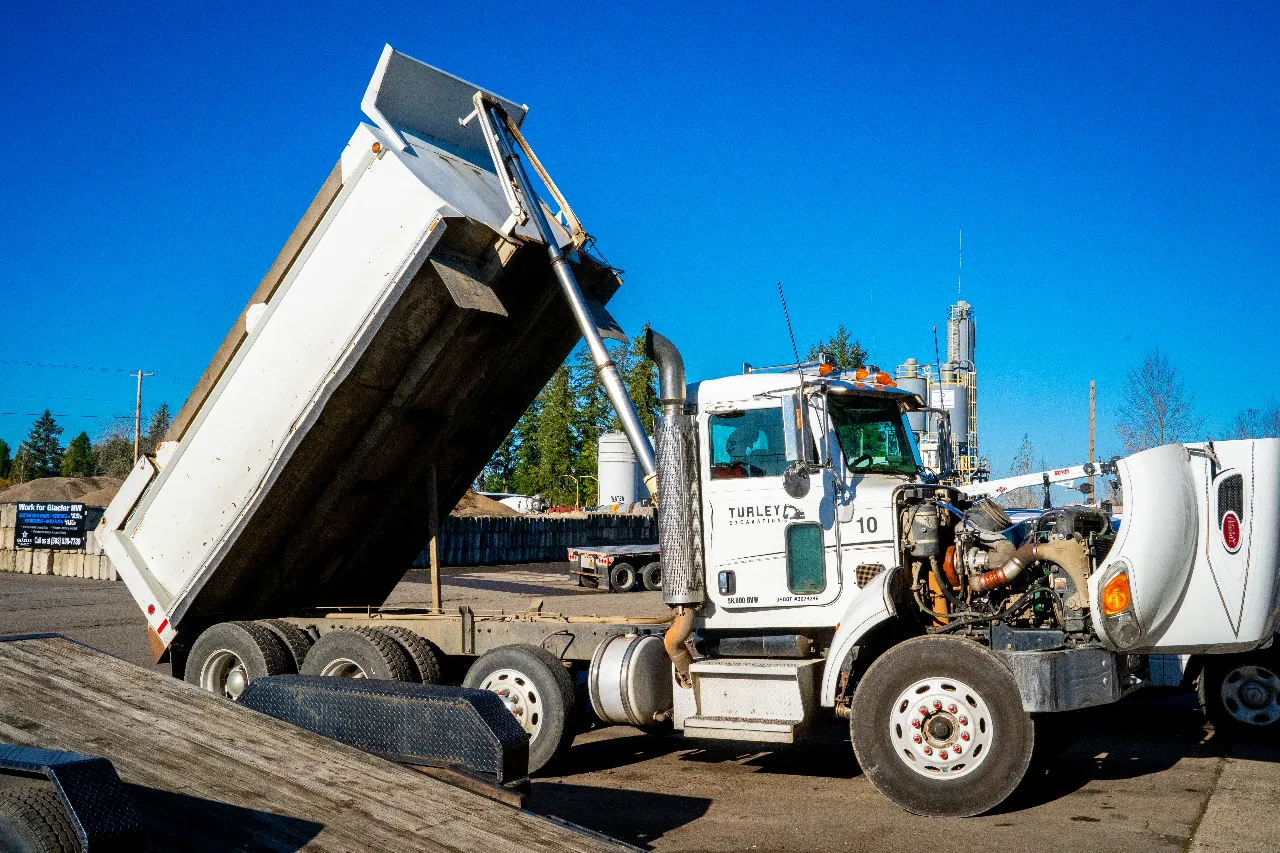
Hydraulic systems do a lot of the heavy lifting on a commercial truck, quite literally. From dump bodies and lift gates to fifth-wheel sliders and PTOs (power take-off units), these systems use pressurized fluid to generate force and movement. When something goes wrong, it can take your truck off the road entirely.
The good news is that most hydraulic problems follow recognizable patterns. Knowing what to look for early can save a fleet significant downtime and repair costs. Here's a breakdown of the most common issues we see and what's typically behind them.
Slow or Weak Hydraulic Response
If a dump bed is lifting slower than usual or a lift gate feels sluggish, that's your first warning sign. The system isn't generating enough pressure to move the load at normal speed.
Common causes include:
- Low hydraulic fluid level
- A worn or failing hydraulic pump
- Internal leakage within the hydraulic cylinder
Start with the fluid level. It's the quickest check and a surprisingly common culprit. If fluid is topped off and the problem persists, the pump likely needs inspection.
Hydraulic Fluid Leaks
Leaks are one of the most visible hydraulic problems in heavy-duty trucks. You might notice fluid pooling under the truck, wet spots around cylinder rods, or staining along hose fittings.
Most leaks trace back to:
- Damaged or dried-out seals and O-rings
- Cracked or chafed hydraulic hoses
- Loose fittings that have vibrated free over time
Don't ignore even a minor leak. Hydraulic fluid loss drops system pressure and introduces air into the lines. Low fluid also accelerates wear on the pump and other internal components.
How to Address a Hydraulic Leak
Finding the source is step one. Clean the area thoroughly, run the system through a cycle, and watch where fluid first appears. That narrows it down fast. Once identified:
- Replace worn seals or O-rings at the source
- Swap out damaged hoses, not just the fittings
- Torque fittings to spec; over-tightening causes just as many problems as under-tightening
Overheating Hydraulic Systems
Hydraulic fluid has an optimal operating temperature range. Push past it, and the fluid breaks down, seals degrade faster, and the system loses efficiency across the board.
Overheating usually points to:
- Contaminated or degraded hydraulic fluid
- A clogged hydraulic filter
- Excessive back pressure in the return lines
- A malfunctioning cooler or heat exchanger
Check the filter first. A restricted filter forces the pump to work harder, generating excess heat as a byproduct. Regular filter changes are one of the simplest ways to keep a hydraulic system running at the right temperature.
Contaminated Hydraulic Fluid
Contamination is behind more hydraulic system failures than most people realize. Water intrusion, dirt ingestion through a damaged breather cap, or metal particles from internal wear all degrade fluid quality fast.
Signs of contaminated fluid include:
- Milky or foamy appearance (water contamination)
- Dark, gritty texture (metal particles or dirt)
- Strong burnt smell (thermal degradation)
Contaminated fluid acts as an abrasive, grinding down pump components, valve spools, and cylinder walls from the inside out. A full fluid flush and filter replacement is the only real fix. Topping off contaminated fluid just dilutes the problem temporarily.
Erratic or Jerky Movement
When a hydraulic cylinder extends or retracts unevenly, or a function responds inconsistently, air in the system is often the reason. Air compresses differently than fluid, causing that telltale jerky motion.
Air typically enters through:
- A low fluid level leaving the pump inlet exposed
- A loose or damaged suction line fitting
- Improper bleeding after a repair
Proper bleeding of the system after any maintenance that opens the hydraulic circuit is essential. Most systems have a specific bleeding procedure outlined in the service manual, and skipping it usually results in callbacks.
Pressure Relief Valve Issues
The pressure relief valve is a safety component that prevents the system from exceeding its designed operating pressure. It opens to divert flow when pressure climbs too high, protecting pumps, cylinders, and hoses from damage.
A faulty relief valve causes two distinct problems:
- Set too low, it bleeds off pressure before work is done, causing weak performance
- Stuck closed, it allows pressure to build unchecked, risking hose failure or component damage
Testing the relief valve pressure requires a hydraulic pressure gauge connected to a test port. If pressure readings fall outside the manufacturer's spec, adjustment or replacement is the next step.
Preventive Maintenance Goes a Long Way
Staying ahead of hydraulic problems comes down to a consistent maintenance routine. A few straightforward habits make a real difference:
- Check fluid levels at every pre-trip inspection
- Replace hydraulic filters on schedule, not just when they look dirty
- Inspect hoses and fittings regularly for wear, chafing, or cracking
- Sample fluid periodically for contamination analysis
- Keep breather caps clean and in good condition
Hydraulic systems on heavy-duty trucks are built tough, but they're not maintenance-free. Small issues, caught early, rarely turn into expensive repairs.
Don't Let Hydraulic Issues Slow Your Fleet
Hydraulic problems in heavy-duty trucks follow consistent patterns, and most of them are manageable when caught early. From fluid leaks and contamination to pressure issues and overheating, each problem has a root cause worth addressing properly rather than patching over.
Our team at National Fleet Management has the diagnostic tools and hands-on experience to track down hydraulic issues fast and get your trucks back on the road. Reach out today to schedule an inspection or discuss a fleet maintenance plan that keeps hydraulic failures from becoming a recurring headache.
For more on keeping your heavy-duty trucks in peak condition, take a look at our article on why coolant leaks happen in heavy-duty trucks.
Schedule service with National Fleet Management today!
More Articles
October Fleet Maintenance for I-85 Trucks: Cooling, Tires, Brakes, and Batteries
October gives I-85 fleets a timely chance to catch summer wear before it becomes fall downtime. Focus on cooling systems, tires, brakes, and batteries after months of heat and high mileage across Charlotte, Greensboro, Durham, and North Carolina's Piedmont.
Read more
Why High-Mileage Piedmont Fleets Need More Than Basic Oil and Filter Changes
High-mileage Piedmont fleets need more than fresh oil and filters. Learn how duty-cycle-based inspections of cooling, brakes, tires, electrical systems, drivelines, aftertreatment, and trailers can help reduce preventable downtime.
Read more