704-676-6023
Articles
Why Are My Truck Brakes Squealing
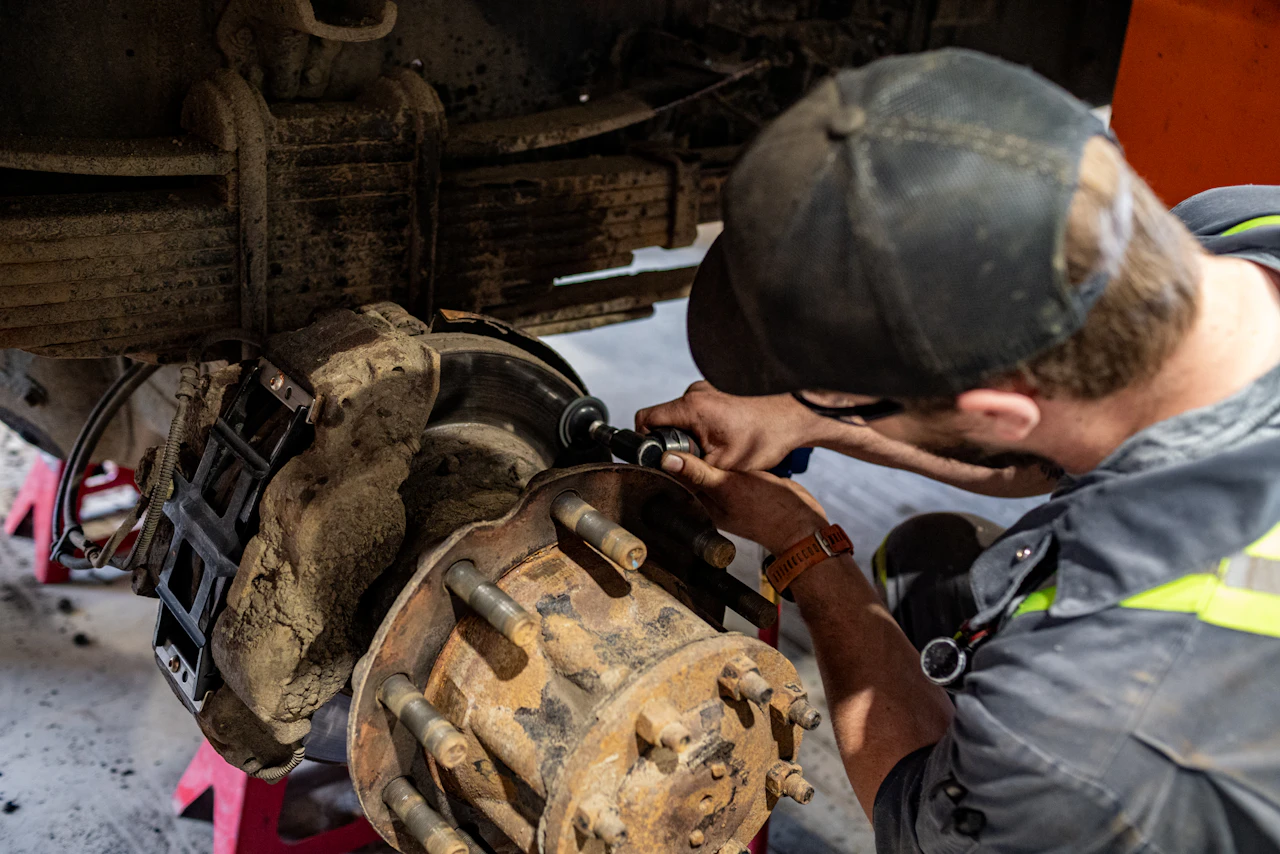
Consistently squealing brakes on a heavy-duty truck are a warning sign that something in the braking system isn’t working properly. Whether it’s worn components, vibration, overheating, or sticking hardware, ignoring brake squeal can lead to reduced stopping power, expensive repairs, failed DOT inspections, or even dangerous roadside breakdowns.
Understanding what causes squeaky truck brakes is the first step toward preventing bigger problems and keeping your vehicle safe on the road.
Worn Brake Shoes
One of the most common causes of brake squealing is worn brake shoes.
Brake shoes naturally wear down over time because they constantly create friction against the brake drum. As the friction material becomes thinner, metal components may come into direct contact with the drum surface. That metal-on-metal contact often creates a sharp squealing or grinding sound.
Common signs of worn brake shoes include:
- High-pitched squealing during braking
- Longer stopping distances
- Vibrations when applying the brakes
- Uneven braking performance
- Grinding noises alongside squealing
Heavy stop-and-go driving, steep grades, and overloaded trailers can significantly accelerate brake shoe wear.
Glazed Brake Drums or Shoes
Excessive heat is another major culprit behind squealing brakes.
When brakes overheat repeatedly, the surface of the brake shoes or drums can become hardened and smooth. Mechanics refer to this as glazing. Glazed surfaces reduce friction and create vibrations that produce squealing noises.
Brake glazing often happens when:
- Drivers ride the brakes downhill
- Trucks haul excessive loads regularly
- Brake adjustments are incorrect
- The braking system overheats due to repeated hard stops
You may also notice reduced braking effectiveness alongside the noise.
Moisture and Contamination
Heavy-duty brake systems operate in harsh environments. Rain, snow, mud, road salt, oil, and grease can all contaminate braking components.
Moisture on brake surfaces can temporarily create squealing during startup or after driving through wet conditions. However, if contaminants like oil or grease reach the brake shoes, the squealing may become constant.
Contaminated brakes can also:
- Reduce stopping performance
- Cause uneven brake wear
- Lead to brake grabbing or pulling
- Increase heat buildup
Because air brake systems rely heavily on clean, dry compressed air, maintaining the air dryer is critical. The air dryer removes moisture from compressed air to prevent braking issues and freezing within the air lines.
Improper Brake Adjustment
Incorrectly adjusted brakes can create excessive movement between components, leading to squealing and vibration.
Your truck’s slack adjusters help maintain proper brake shoe positioning as components wear down. Slack adjusters compensate for brake shoe wear, so the system doesn’t need excessive travel to activate braking.
When slack adjusters fail or become misadjusted:
- Brake shoes may drag against the drum
- Braking becomes uneven
- Heat increases rapidly
- Squealing noises develop
Out-of-adjustment brakes can also put your truck out of compliance with DOT regulations.
Brake Drum Damage
Brake drums endure enormous heat and pressure daily. Over time, they can become:
- Cracked
- Warped
- Grooved
- Heat-spotted
Damaged drums create uneven contact with the brake shoes, often resulting in squealing or pulsation during braking.
Warped drums may also cause:
- Steering wheel vibration
- Brake pedal pulsation
- Reduced stopping power
- Premature brake wear
If caught early, resurfacing may help. Severe damage typically requires drum replacement.
Sticking Brake Components
Heavy-duty brake systems contain several moving components, including:
- Pushrods
- S-cams
- Rollers
- Return springs
- Slack adjusters
When these parts become corroded, dry, or seized, they may fail to move smoothly. This creates dragging brakes and constant friction, which commonly results in squealing.
Cold weather and road salt can make sticking components even worse during winter.
Regular lubrication and inspection help prevent premature wear and sticking.
Cheap or Low-Quality Brake Parts
Not all replacement brake components perform equally.
Low-quality aftermarket brake shoes may use inferior friction materials that squeal excessively under heat and pressure. Poorly manufactured drums may also create vibration issues.
While cheaper parts may save money upfront, they often:
- Wear out faster
- Generate more noise
- Produce inconsistent braking
- Increase long-term repair costs
Using quality heavy-duty brake components helps improve both safety and durability.
Wheel Bearing Problems
Sometimes the squealing isn’t coming from the brakes at all.
Failing wheel bearings can create screeching or squealing noises that sound remarkably similar to brake problems. Damaged bearings may produce metal-on-metal sounds and excessive heat.
Common symptoms of wheel bearing failure include:
- Squealing while driving
- Wheel-end heat
- Vibrations
- Loose wheel movement
- Grinding noises
Because bearing failure can be catastrophic, unusual wheel-end noises should never be ignored.
Cold Weather Brake Noise
In colder climates, temporary brake squealing can occur during the first few stops of the day.
Condensation may form overnight on brake drums, creating surface rust or moisture buildup. Once the brakes warm up, the noise often disappears.
However, if squealing continues after the truck reaches operating temperature, an inspection is recommended.
How Preventive Maintenance Helps
Routine preventive maintenance is the best way to avoid major brake issues.
Regular brake inspections allow technicians to catch:
- Worn brake shoes
- Drum damage
- Air leaks
- Improper adjustments
- Moisture contamination
- Failing wheel bearings
Preventive maintenance reduces breakdowns, improves performance, and helps avoid costly repairs.
For fleet operators, staying ahead of brake issues also minimizes downtime and improves overall safety compliance.
When Should You Be Concerned?
Not every squeal means immediate danger, but certain symptoms should never be ignored.
Schedule a brake inspection immediately if you notice:
- Constant squealing
- Grinding noises
- Brake pulling
- Vibrations while braking
- Longer stopping distances
- Air pressure issues
- Excessive wheel-end heat
Brake systems are your truck’s most important safety feature. Small noises can quickly become major failures if left unresolved.
When Brakes Talk
Squealing truck brakes usually indicate worn components, contamination, overheating, adjustment problems, or failing wheel-end parts. While some noises may be temporary, persistent squealing should always be investigated before it becomes a serious safety issue.
Regular inspections, proper brake adjustments, and preventive maintenance help extend component life, improve stopping performance, and reduce costly downtime.
If your truck’s brakes are making unusual noises, the safest move is to have the system professionally inspected before a small issue becomes a major repair.
Schedule service with National Fleet Management today!
More Articles
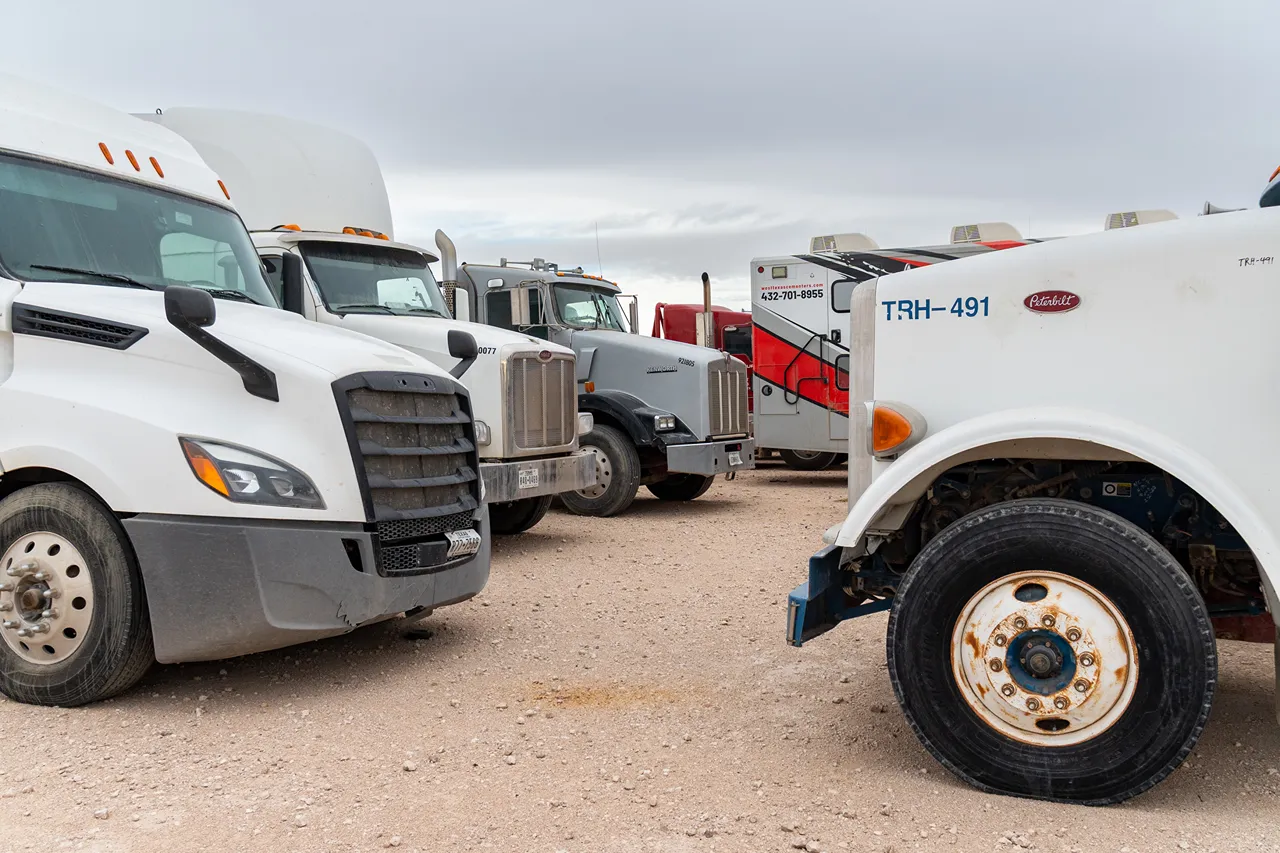
October Fleet Maintenance for I-85 Trucks: Cooling, Tires, Brakes, and Batteries
October gives I-85 fleets a timely chance to catch summer wear before it becomes fall downtime. Focus on cooling systems, tires, brakes, and batteries after months of heat and high mileage across Charlotte, Greensboro, Durham, and North Carolina's Piedmont.
Read more
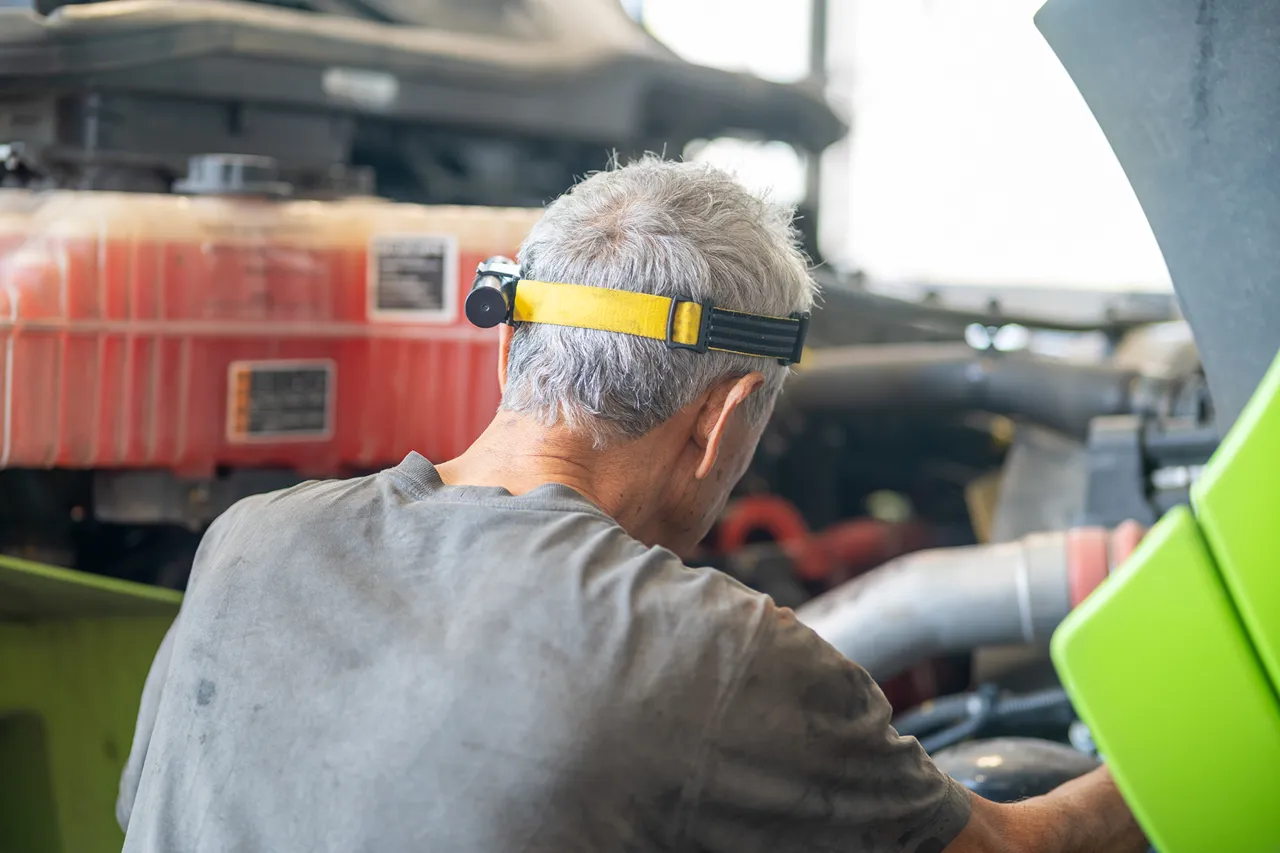
Why High-Mileage Piedmont Fleets Need More Than Basic Oil and Filter Changes
High-mileage Piedmont fleets need more than fresh oil and filters. Learn how duty-cycle-based inspections of cooling, brakes, tires, electrical systems, drivelines, aftertreatment, and trailers can help reduce preventable downtime.
Read more