704-676-6023
Articles
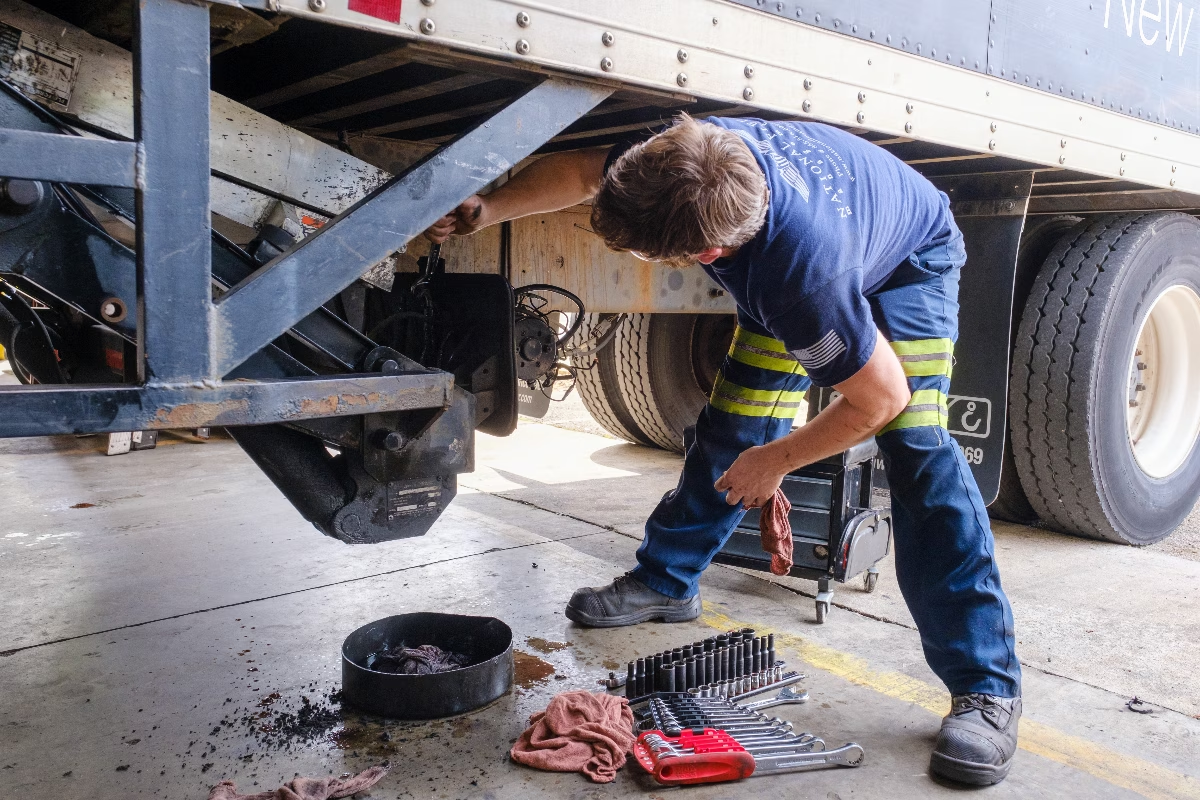
Why Coolant Leaks Happen in Heavy-Duty Trucks
Why Coolant Leaks Happen in Heavy-Duty Trucks
Coolant leaks don’t just appear out of nowhere. They’re usually the result of wear, pressure, or neglected maintenance. Here are the most common reasons:
Worn or Cracked Hoses
Rubber hoses take a beating from heat cycles and pressure changes. Over time, they dry out, crack, or loosen at connection points.
Corrosion in the Radiator
Old or contaminated coolant can become acidic, eating away at your radiator and causing pinhole leaks.
Faulty Water Pump Seals
The water pump constantly moves coolant. If the seals wear out, leaks can develop around the pump housing.
Loose or Damaged Clamps
Sometimes it’s a clamp issue. A loose or corroded clamp can let coolant seep out under pressure.
Failed Gaskets
A blown head gasket is the worst-case scenario, allowing coolant to leak internally and mix with engine oil.
The Role of Preventive Maintenance
With a properly planned and implemented preventive maintenance program, you go from reacting to breakdowns to being one step ahead and preventing them altogether.
A solid maintenance routine helps you:
- Catch small issues before they escalate
- Maintain proper coolant pressure
- Extend the lifespan of critical components
- Avoid roadside breakdowns
And in fleet operations, that translates directly into uptime and savings.
Routine Inspections Help Prevent Leaks
You don’t need fancy tools to catch early warning signs, just consistency.
Check Coolant Levels Regularly
Low coolant levels often signal a leak. If you’re topping off more than usual, something’s wrong.
Inspect Hoses and Connections
Look for:
- Cracks or bulges
- Soft or brittle spots
- Wet or crusty residue near fittings
These are early indicators of failure.
Examine the Radiator
Scan for corrosion, debris buildup, or visible damage. Even minor issues can turn into major leaks under pressure.
Monitor the Coolant Reservoir
A fluctuating level or discoloration can point to contamination or internal leaks.
Coolant Quality Matters More Than You Think
Not all coolants are the same, and using the wrong type (or running old coolant) can quietly destroy your system.
Stick to Manufacturer Specifications
Always use the recommended coolant type for your engine. Mixing incompatible coolants can cause chemical reactions that lead to sludge and corrosion.
Perform Regular Coolant Flushes
Over time, coolant loses its ability to absorb heat and protect against corrosion. Routine coolant system maintenance should include scheduled flushes to keep everything clean and effective.
Watch for Contamination
Milky or rusty coolant is a red flag. It could mean internal leaks or a system breakdown.
Pressure Test to Find Hidden Leaks
Not all leaks are visible. That’s where pressure testing comes in.
By pressurizing the cooling system, you can:
- Detect slow leaks
- Identify weak components
- Pinpoint exact failure locations
For fleet managers, incorporating pressure testing into your fleet maintenance tips can save hours of guesswork and prevent unexpected downtime.
Don’t Ignore Temperature Fluctuations
Your temperature gauge is one of your best diagnostic tools for understanding coolant system issues.
If you notice:
- Sudden spikes in engine temperature
- Inconsistent readings
- Frequent overheating
…it could be a sign of a developing leak or restricted coolant flow.
Addressing these issues early can prevent serious engine overheating and prevention failures.
Replace Components Before They Fail
Here’s a hard truth: waiting for parts to fail is a losing strategy.
Proactive Replacement Schedule
Replace:
- Hoses every few years (or per manufacturer guidelines)
- Clamps showing signs of corrosion
- Water pumps during major service intervals
This approach keeps your diesel engine cooling system reliable and reduces the risk of surprise leaks.
Implement Seasonal Maintenance to Stay Ahead of Weather Changes
Freezing winters and hot summers both put stress on your truck, and you need to ensure that your rig is ready for whatever the elements throw at you.
Winter Prep
- Ensure proper antifreeze ratio
- Check for leaks that could worsen in freezing temps
- Inspect hoses for brittleness
Summer Prep
- Confirm radiator airflow is unobstructed
- Test the cooling fan and fan clutch operation
- Monitor coolant levels more frequently
Seasonal adjustments are key to effective heavy-duty truck maintenance.
The Impact of Neglecting Coolant Leaks
Ignoring a small leak might seem harmless, but that can quickly snowball into:
- Engine overheating and shutdown
- Warped cylinder heads
- Damaged pistons and internal components
- Increased fuel consumption
- Costly repairs and downtime
In short, a minor leak today can turn into a major overhaul tomorrow.
Building a Leak-Proof Maintenance Routine
Let’s tie it all together. A strong routine should include:
- Weekly visual inspections
- Monthly coolant level checks
- Scheduled coolant flushes
- Routine pressure testing
- Proactive part replacement
Consistency is the name of the game. When you stay disciplined, leaks don’t stand a chance.
Final Thoughts
When you combine regular inspections, proper coolant management, and proactive replacements, you create a system that works for you, not against you. Stay ahead of the problem, and your trucks will reward you with reliability, efficiency, and fewer unexpected breakdowns.
Schedule service with National Fleet Management today!
More Articles
Why High-Mileage Piedmont Fleets Need More Than Basic Oil and Filter Changes
High-mileage Piedmont fleets need more than fresh oil and filters. Learn how duty-cycle-based inspections of cooling, brakes, tires, electrical systems, drivelines, aftertreatment, and trailers can help reduce preventable downtime.
Read more
.webp)
Which Fleet Services Help Reduce Downtime on I-85 and I-77?
Charlotte fleets lose productive hours when small defects become roadside failures. Learn which preventive, diagnostic, mobile, trailer, brake, tire, cooling, and electrical services help keep trucks moving on I-85 and I-77.
Read more