704-676-6023
Articles
September Maintenance for Greensboro Fleets After a Summer of Heavy I-85 Miles
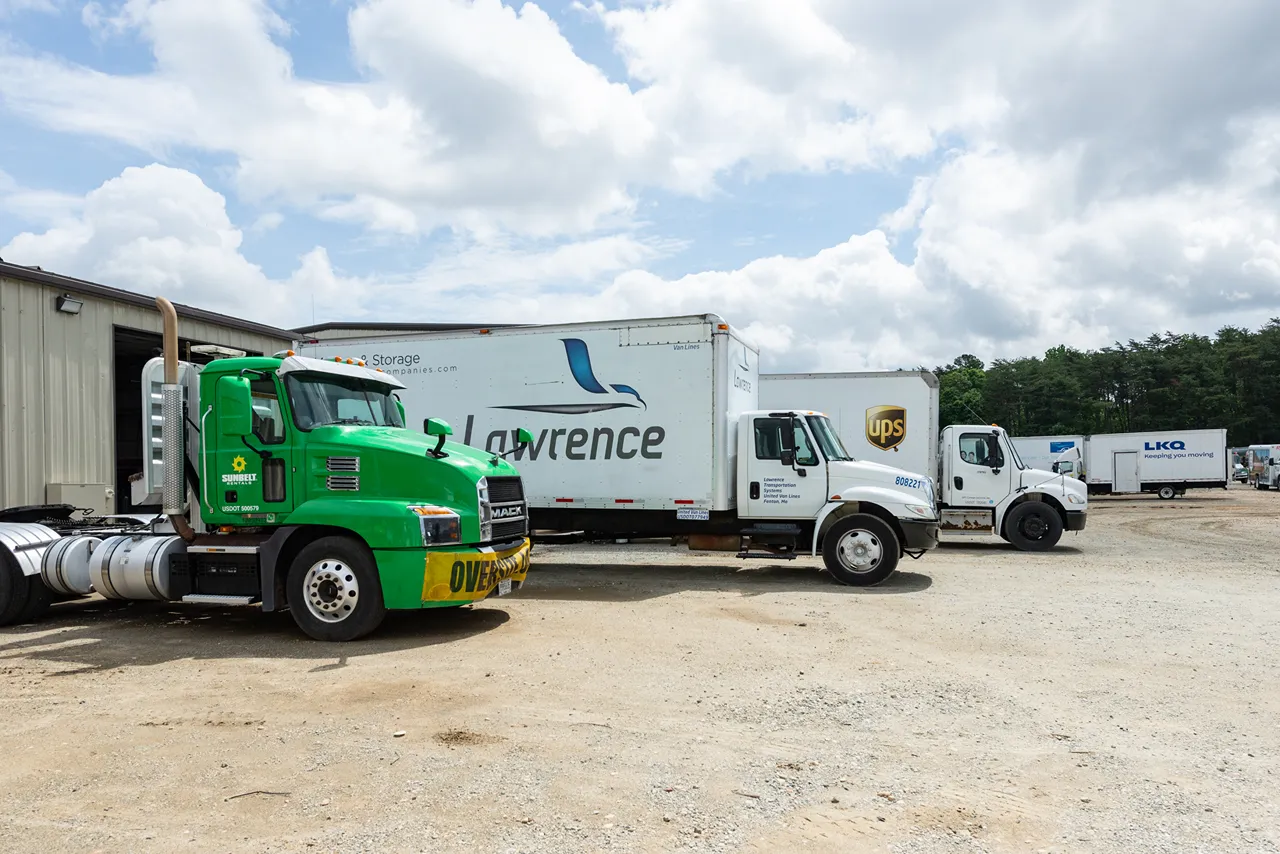
Months of I-85 runs can leave a truck looking road-ready while wear quietly builds underneath. By September, Greensboro fleets have already pushed through summer heat, interstate mileage, congestion, and repeated dispatches.
That accumulated use—not the calendar alone—is the real maintenance concern. A focused September truck inspection can uncover developing problems before another busy stretch turns minor wear into unplanned downtime.
Why Is September a Smart Maintenance Checkpoint for Greensboro Fleets?
Greensboro sits in the middle of one of North Carolina’s most active commercial transportation markets. The I-85 corridor between Greensboro and Durham carries more than 16,000 trucks per day, making it the state’s highest-volume truck corridor.
Regional freight tractors, delivery trucks, manufacturing fleets, and distribution fleets can rack up substantial mileage between Greensboro, Burlington, and Durham. Add I-40 traffic, urban deliveries, loading stops, and warehouse activity, and those trucks may experience very different wear even when their odometers look similar.
September also remains warm. Normal daytime highs in Greensboro begin the month near 84°F before gradually dropping toward 75°F, so this is better viewed as a post-summer preventive maintenance checkpoint than cold-weather preparation.
What Should You Check on Tires After Heavy I-85 Mileage?
Hot pavement, high speeds, and thousands of summer miles put plenty of work on commercial tires. Start your commercial truck maintenance inspection by checking inflation, tread depth, cuts, sidewall damage, valve stems, dual-tire condition, and irregular wear.
Pay close attention to wear patterns. Feathering, one-sided wear, or unusual shoulder wear may point to alignment or suspension-related concerns that deserve further inspection rather than another week of dispatches.
Cooler September mornings can also make neglected inflation easier to notice. Pressure changes do not automatically mean a tire is unsafe, but they are another reason to reassess tire condition instead of assuming summer settings are still appropriate.
For fleets running the Greensboro-to-Durham freight corridor, a small tire issue can become much more expensive when the same truck keeps logging highway miles day after day.
How Does I-85 and I-40 Driving Affect Brake Condition?
Greensboro fleet trucks rarely experience one perfectly consistent duty cycle. A tractor may cruise at interstate speed, encounter congestion, slow through an interchange, then leave the highway for local deliveries or industrial stops.
That mix makes heavy-duty brake inspection especially important. Inspect friction material, drums where applicable, air lines, hoses, chambers, and other visible components while also paying attention to air-system leaks and driver complaints.
On air-brake-equipped heavy trucks, compressed air activates the brake chambers and ultimately applies the friction components at the wheel end. Worn or damaged components can affect braking performance, so problems such as pulling, uneven response, or noticeable changes in stopping behaviour should never be dismissed as quirks.
Brakes are also a good example of where roadworthiness and reliability overlap. Finding a developing defect in the yard is much easier to manage than discovering it after the truck has already left Greensboro on another loaded run.
Why Inspect the Cooling System After Summer Instead of Waiting for a Problem?
By September, a truck’s cooling system has already spent months managing North Carolina heat. That makes diesel cooling system service a priority even as daytime temperatures begin easing.
Inspect coolant level and condition, radiators, hoses, clamps, belts, visible leaks, and cooling-fan operation. Coolant must absorb heat from the engine and release that heat through the radiator, while components such as the water pump and fan system help maintain circulation and airflow.
Stop-and-go operation can place different demands on the cooling system than steady highway travel. At lower road speeds, the truck cannot rely on ram air through the radiator to the same degree, so proper fan operation becomes particularly important.
Watch for driver reports of rising operating temperatures, coolant smells, or intermittent temperature changes. Those observations can provide an early warning before an overheating event leaves a truck parked along I-85.
Should You Test Batteries and Charging Systems in September?
Yes. Fleet battery testing makes sense after summer because heat exposure can weaken batteries, while progressively cooler mornings may begin exposing marginal starting performance.
Check battery condition, mounting, terminals, cable connections, corrosion, charging voltage, and alternator performance. A battery must provide the electrical power needed for starting, while the alternator replenishes electrical energy and powers vehicle systems once the engine is running.
Slow cranking deserves attention even if the engine eventually starts. So do intermittent electrical complaints, weak lighting, charging warnings, or corrosion around connections.
For a distribution truck with an early departure window or a tractor hauling time-sensitive freight, a no-start can disrupt more than one vehicle. It can throw off routes, dock schedules, driver hours, and customer commitments.
How Should Mileage, Engine Hours, and Duty Cycle Guide Service Intervals?
A calendar-based schedule alone may not tell you when a hard-working Greensboro truck needs service. Fleet PM scheduling should also account for mileage, engine hours, manufacturer requirements, and actual duty cycle.
Review engine oil, transmission-related fluids where applicable, fuel filters, air filters, power steering fluid, belts, and hoses. High-mileage regional freight trucks may reach service intervals far sooner than lightly used local equipment.
At the same time, a delivery truck that spends hours idling and making frequent stops can accumulate substantial engine hours without covering comparable highway mileage. That is why two trucks purchased on the same day may need different maintenance timing.
September is a useful point to compare service records against how the equipment actually worked all summer. If routes changed, utilisation increased, or trucks spent more time supporting Piedmont Triad manufacturing and distribution operations, your PM intervals may need a second look.
Which Driver-Reported Defects Should Fleet Managers Act on First?
Drivers spend more time with the equipment than anyone else. Treat driver-reported defects as maintenance information, not background noise.
Pay particular attention to reports of:
- Steering vibration
- Pulling under braking
- Slow cranking
- Rising operating temperature
- Warning lights
- Unusual tire vibration
- Fluid smells
- Changes in braking response
A driver regularly running Greensboro, Burlington, and Durham may notice a subtle vibration or temperature change long before it becomes obvious during a scheduled shop inspection.
Create a simple process for reporting, reviewing, and documenting those concerns. When maintenance teams combine driver feedback with inspection findings and service history, they have a much better chance of catching defects before the next dispatch.
That approach is especially valuable around a busy freight market supported by I-85, I-40, the broader Piedmont Triad, and facilities such as Piedmont Triad International Airport. Uptime matters when trucks support warehouses, manufacturing plants, regional deliveries, and time-sensitive freight.
Use September to Catch Summer Wear Before Fall Downtime
September gives Greensboro fleets a natural opportunity to assess what summer operation left behind. Inspect tires, brakes, cooling systems, batteries, fluids, service intervals, and driver concerns based on how each truck has actually been used.
Consistent diesel fleet maintenance helps you identify developing problems while repairs can still be planned. For high-mileage equipment working I-85 and I-40, that can mean fewer surprises between Greensboro and the next delivery.
If your trucks have spent the summer logging heavy interstate mileage, our team at National Fleet Management can help you evaluate their condition and address developing maintenance concerns before they interfere with fall operations. Check out our Contact Page for more information.
FAQs
What maintenance should a high-mileage fleet check after summer?
Start with tires, brakes, cooling-system components, batteries and charging systems, fluids, filters, belts, hoses, and documented driver complaints. Service needs should reflect manufacturer requirements as well as mileage, engine hours, and duty cycle.
Why is September a useful time for fleet preventive maintenance in Greensboro?
September follows months of summer heat and heavy commercial use while remaining warm enough that cooling-system and tire issues are still relevant. It also gives fleet managers an opportunity to find accumulated wear before fall mileage continues building.
Should fleet maintenance schedules rely on mileage alone?
No. Preventive maintenance schedules should consider mileage, engine hours, duty cycle, manufacturer guidance, and service history. Trucks that idle frequently or make repeated delivery stops can accumulate wear differently from long-haul highway tractors.
What driver complaints should a fleet maintenance team investigate?
Investigate reports such as steering vibration, pulling during braking, slow cranking, rising operating temperature, warning lights, tire vibration, fluid smells, and changes in braking response. Early investigation can help identify a developing defect before it causes a breakdown.
Why are I-85 miles important for Greensboro fleet maintenance planning?
The Greensboro-to-Durham section of I-85 is North Carolina’s highest-volume truck corridor. Fleets using it regularly may accumulate substantial mileage, making scheduled inspection and service especially important for maintaining reliability and roadworthiness.
Schedule service with National Fleet Management today!
More Articles

Why High-Mileage Piedmont Fleets Need More Than Basic Oil and Filter Changes
High-mileage Piedmont fleets need more than fresh oil and filters. Learn how duty-cycle-based inspections of cooling, brakes, tires, electrical systems, drivelines, aftertreatment, and trailers can help reduce preventable downtime.
Read more
.webp)
Which Fleet Services Help Reduce Downtime on I-85 and I-77?
Charlotte fleets lose productive hours when small defects become roadside failures. Learn which preventive, diagnostic, mobile, trailer, brake, tire, cooling, and electrical services help keep trucks moving on I-85 and I-77.
Read more