704-676-6023
Articles
Why High-Mileage Piedmont Fleets Need More Than Basic Oil and Filter Changes
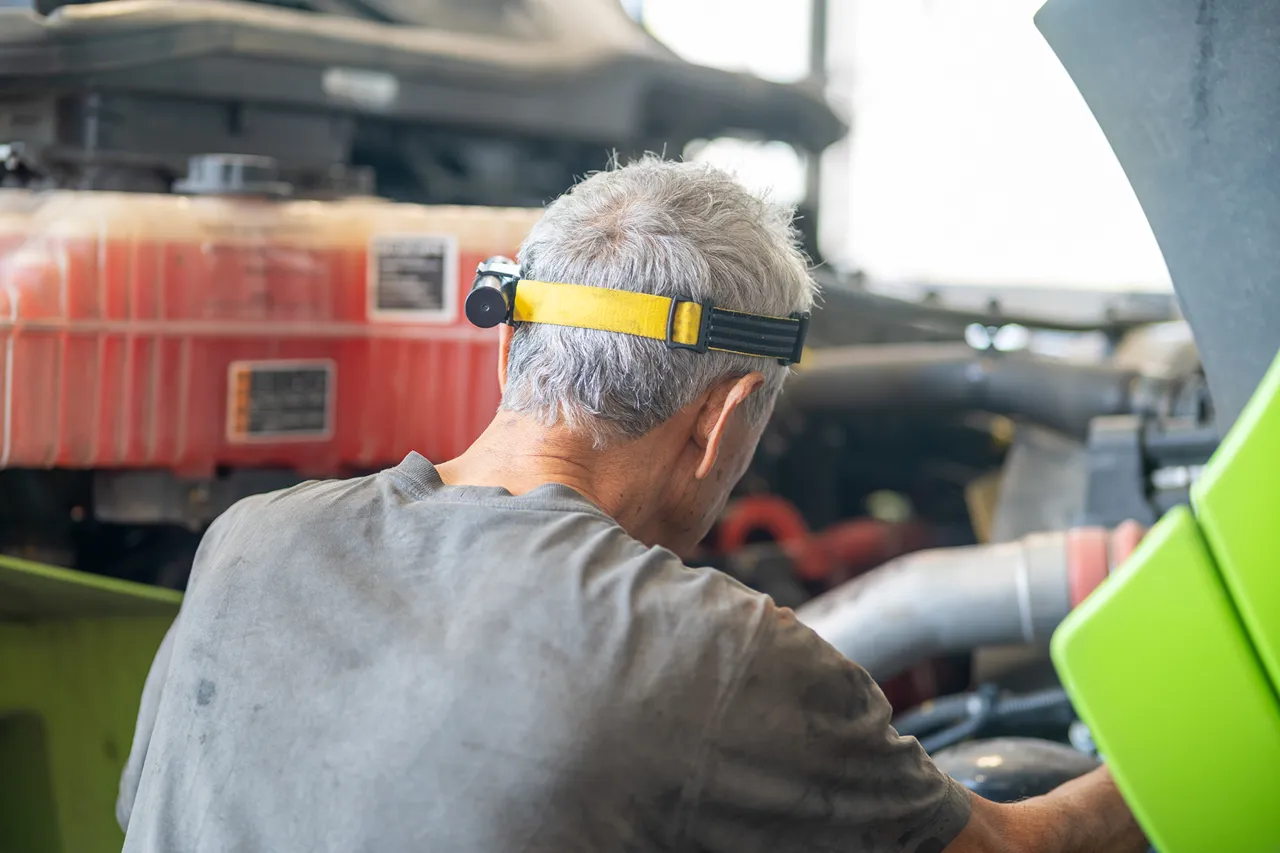
Fresh oil and clean filters matter, but they cannot spot a deteriorating radiator hose, leaking hub seal, weak battery, or worn suspension bushing. For trucks running between Charlotte, Greensboro, Durham, and Statesville, those overlooked components can become the reason a productive day ends on the shoulder.
The problem is simple: an oil change protects the engine's lubrication system, while fleet preventive maintenance protects the truck as a complete operating system.
Why Are Oil and Filter Changes Only the Starting Point?
Engine oil lubricates critical internal engine components, while filters help control contaminants. Those jobs make regular oil and filter service an important part of heavy-duty truck maintenance, but they represent only a fraction of the components that keep a commercial truck moving safely and reliably.
A truck can have fresh engine oil and still develop brake problems, a cooling-system leak, an electrical fault, irregular tire wear, or an aftertreatment issue. Preventive maintenance takes the wider view by inspecting systems for defects before those defects turn into breakdowns.
FMCSA regulations reinforce that broader approach. Motor carriers must systematically inspect, repair, and maintain commercial vehicles under their control, with parts and accessories kept in safe operating condition.
How Do High-Mileage Piedmont Routes Change Maintenance Needs?
Trucks operating along I-85 between Charlotte, Greensboro, and the Durham area can accumulate mileage quickly. Add I-40 regional runs and I-77 traffic through Statesville, and a fleet may combine long highway hours with congestion, terminal activity, delivery stops, idling, and repeated loaded operation.
That combination matters because mileage tells only part of the maintenance story. NCDOT reports that highway transportation accounts for the largest share of freight tonnage moving into, out of, within, and through North Carolina, and the department is currently updating its Statewide Multimodal Freight Plan as freight demands continue to evolve.
A useful Piedmont PM inspection should look beyond the odometer and consider:
- Miles and engine hours
- Idle time and stop frequency
- Highway versus urban operation
- Loads carried
- Driver defect reports
- Previous repair history
- Seasonal operating conditions
- Trailer utilization
That approach gives fleet managers a more accurate picture of how each truck is actually being used.
What Should a Cooling System Inspection Cover in August?
August gives cooling-system weaknesses very little room to hide. Charlotte's 1991–2020 climate normal for the average August maximum temperature is about 88.6°F, making sustained warm-weather operation a practical reason to pay close attention to cooling performance.
Your inspection should include coolant level and condition, radiator and charge-air cooler condition, hoses, clamps, water pump operation, belts, cooling fan components, and signs of small leaks.
A fresh oil change cannot strengthen a soft coolant hose or repair a marginal fan system. Catching those problems while the truck is in the yard is far better than discovering them under load between Charlotte and Greensboro.
Belts, hoses, and lines deserve particular attention. Cracking, abrasion, chafing, leaks, or improper routing can develop into larger problems, which is why regular inspection remains an important preventive practice.
How Should Fleets Monitor Brakes, Tires, and Wheel Ends?
Two trucks can each travel 100,000 miles and show dramatically different brake wear. A linehaul tractor spending most of its time cruising I-85 operates differently from a Durham delivery truck that repeatedly brakes, turns, idles, and pulls away from stops.
A thorough air brake inspection can include brake friction condition, drums or rotors, air chambers, slack adjusters where applicable, hoses, fittings, air-system condition, and signs of uneven wear.
Your tire and wheel-end maintenance deserves the same attention. Check:
- Tire inflation and tread condition
- Irregular or alignment-related wear
- Wheel bearings
- Hub seals
- Applicable lubricant levels
- Loose or damaged wheel-end components
Hot pavement does not automatically cause a tire failure. The bigger concern is that underinflation, abnormal wear, or a developing wheel-end problem becomes increasingly expensive when the truck continues logging long summer miles.
Why Inspect Steering, Suspension, and the Driveline?
Oil-and-filter service can easily overlook components that affect handling, ride quality, tire life, and power delivery.
A steering and suspension inspection may include tie rods, drag links, kingpins, bushings, shocks, springs, air-suspension components, torque rods, and ride-height concerns. Wear in these areas can contribute to handling complaints, irregular tire wear, alignment problems, and additional stress elsewhere on the chassis.
Driveline maintenance can also include U-joints, driveshafts, carrier bearings, differentials, transmission components, chassis lubrication points, mounts, and PTO components where equipped.
Minor looseness, lubrication problems, or developing driveline wear may initially show up as a small vibration. High utilization gives that problem plenty of opportunity to become a much larger repair.
What Electrical Problems Can High Utilization Expose?
Long operating days demand consistent electrical performance. Batteries, alternators, starters, cables, grounds, terminals, and wiring harnesses all deserve scheduled attention.
A useful electrical inspection should check battery condition, charging voltage, alternator output, corrosion, connection integrity, starter performance, and visible harness damage. Since the alternator supplies electrical power and recharges the battery while the engine runs, charging-system problems can eventually leave the vehicle relying on limited battery power.
Heavy A/C use during a Piedmont August can add electrical demand, but summer itself should not get all the blame. High utilization simply gives a marginal component fewer opportunities to hide.
Why Include Aftertreatment and Trailers in Preventive Maintenance?
Perfect oil-change history will not prevent a truck from being sidelined by an unresolved emissions fault.
Basic aftertreatment maintenance should account for DPF regeneration history, repeated regeneration concerns, DEF-related problems, SCR or EGR faults, exhaust leaks, and aftertreatment sensor issues. DPF, SCR, EGR, and related components perform jobs separate from the engine lubrication system, so they need their own inspection and diagnostic attention.
For tractor-trailer operations, trailer maintenance belongs in the same conversation. Trailer brakes, tires, wheel ends, air lines, ABS faults, suspension, lights, landing gear, and door hardware can cause roadside downtime just as effectively as a tractor problem.
Why Should Preventive Maintenance Follow Duty Cycle Instead of Mileage Alone?
One-size-fits-all maintenance schedules overlook how dramatically truck utilization can vary. FMCSA requires systematic maintenance and records showing the nature and due date of inspection and maintenance operations, while leaving fleets and manufacturers to establish appropriate maintenance practices for their equipment rather than prescribing one universal oil-change-style PM interval.
Consider three Piedmont examples. A Charlotte-to-Greensboro linehaul tractor may accumulate high mileage through relatively steady highway operation. A Durham delivery truck may travel fewer miles while experiencing substantially more braking, idling, steering inputs, and starts.
Meanwhile, a Statesville-based regional tractor working around the I-40/I-77 junction may combine sustained interstate operation with frequent route and load changes. Giving all three trucks an identical maintenance strategy simply because their odometers reach the same number misses how differently the equipment works.
The better approach is to combine manufacturer recommendations with mileage, engine hours, route conditions, driver reports, repair history, and actual duty cycle.
Complete-Truck Maintenance Helps Protect Uptime
Oil and filter changes remain essential, but they are one piece of a much larger maintenance picture. Cooling systems, brakes, tires, wheel ends, steering, suspension, electrical systems, drivelines, aftertreatment equipment, and trailers all contribute to whether a truck completes its route.
For high-mileage Piedmont fleets, the strongest PM program follows how the equipment actually works. Inspecting the complete truck on a duty-cycle-based schedule gives developing problems a chance to be found before they turn into unscheduled roadside downtime.
Schedule Fleet Preventive Maintenance With National Fleet Management
If your trucks regularly run I-85, I-40, I-77, or regional routes throughout the North Carolina Piedmont, our team at National Fleet Management can help you take a broader approach to preventive maintenance.
Schedule an inspection based on your fleet's mileage, operating hours, routes, and real-world duty cycles by visiting our Contact Page and finding the location that’s nearest to you.
Frequently Asked Questions About High-Mileage Fleet Maintenance
Is an oil change considered preventive maintenance?
Yes. An oil change is one preventive-maintenance task, but it is not a complete preventive-maintenance program. A comprehensive program also monitors brakes, cooling, tires, wheel ends, steering, suspension, electrical components, driveline systems, aftertreatment equipment, and other vehicle systems.
How often should a high-mileage commercial truck receive preventive maintenance?
There is no single interval that fits every truck. Fleets should establish schedules using manufacturer recommendations along with mileage, engine hours, idle time, route type, loads, repair history, inspection results, and operating conditions.
Should delivery trucks follow the same PM schedule as linehaul tractors?
Not necessarily. A delivery truck may accumulate fewer miles but experience more braking, steering, idling, starts, and stops. A linehaul tractor may accumulate significantly more mileage while operating at steadier highway speeds.
What should fleets inspect before heavy late-summer operation?
Cooling-system components, belts, hoses, fluid leaks, tires, wheel ends, batteries, charging-system performance, brakes, and other high-use components deserve particular attention. Inspections should still follow the vehicle manufacturer's procedures and the fleet's established maintenance program.
Can trailer problems cause the same downtime as tractor problems?
Yes. Brake, tire, wheel-end, ABS, air-line, lighting, suspension, landing-gear, and other trailer faults can prevent a combination vehicle from completing a trip even when the tractor itself is operating properly.
Schedule service with National Fleet Management today!
More Articles
.webp)
Which Fleet Services Help Reduce Downtime on I-85 and I-77?
Charlotte fleets lose productive hours when small defects become roadside failures. Learn which preventive, diagnostic, mobile, trailer, brake, tire, cooling, and electrical services help keep trucks moving on I-85 and I-77.
Read more
Why Fleet Managers Choose One Repair Partner Across the Eastern U.S.
Managing repairs across multiple states doesn't have to be complicated. Discover why fleet managers partner with one trusted repair network to reduce downtime, simplify maintenance, improve communication, and keep trucks moving wherever business takes them.
Read more