704-676-6023
Articles
October Fleet Maintenance Checklist for Charlotte Distribution Trucks

October might seem like business as usual for Charlotte distribution fleets, but a worn brake assembly or weak battery can quickly derail November delivery schedules. As trucks travel between warehouses and regional freight corridors, small mechanical problems can become expensive disruptions. Prioritizing fleet maintenance in Charlotte, NC now helps you catch developing faults before year-end freight demand makes repairs harder to schedule.
Why Is October Important for Fleet Maintenance in Charlotte, NC?
Charlotte's distribution network depends on reliable commercial vehicles moving between warehouses, retail locations, and regional transportation hubs. I-77, I-85, and I-485 connect these operations, making truck availability essential for keeping deliveries on schedule.
Around the Westinghouse Boulevard and Arrowood industrial area, box trucks and day-cab tractors routinely handle loading-dock stops, short-distance deliveries, and highway travel. These demanding operating conditions can accelerate wear on brakes, tires, suspension components, and other critical systems.
October also brings changing operating conditions. Cooler mornings can expose weak batteries, while shorter daylight hours make dependable lighting increasingly important.
Scheduling commercial fleet maintenance before November gives operators an opportunity to address problems without sacrificing vehicle availability during peak delivery periods.
What Should Be Included in an October Fleet Maintenance Checklist?
A successful preventive truck maintenance program focuses on the systems most likely to affect vehicle safety, reliability, and dispatch readiness.
For Charlotte distribution fleets, six maintenance areas deserve particular attention:
- Brake systems: Inspect friction components, air systems, and hydraulic components where applicable.
- Tires, wheels, and suspension: Check inflation, tread condition, wheel fasteners, and suspension wear.
- Cooling systems and fluids: Look for leaks, deteriorating hoses, and overdue fluid services.
- Batteries and starting systems: Test electrical capacity, charging performance, and starter operation.
- Lighting and electrical connections: Verify exterior lights, trailer connections, and wiring condition.
- Maintenance records: Review unresolved defects, upcoming service intervals, and inspection deadlines.
These checks help you identify which vehicles need immediate repairs and which can remain on their scheduled maintenance cycles.
How Can Brake Inspections Prevent Distribution Truck Breakdowns?
Frequent stopping places considerable demand on distribution truck braking systems. Box trucks operating between Charlotte warehouses and retail delivery points may engage their brakes hundreds of times during a busy working period.
Comprehensive fleet brake service should include inspections of brake pads or linings, drums or rotors, brake hoses, and related mechanical components.
For trucks equipped with air brakes, technicians should also examine air lines, chambers, air dryers, and slack adjuster operation.
Warning signs that require attention include:
- Longer stopping distances or reduced braking performance
- Air leaks or abnormal pressure loss
- Uneven braking or pulling to one side
- Grinding noises, vibration, or unusual brake temperatures
- Excessive friction-material wear
Drivers should report these symptoms immediately rather than waiting for the next scheduled appointment.
Brake defects can compromise vehicle safety, especially when trucks carry substantial cargo loads. Correcting them before redispatch is far preferable to discovering a serious problem on I-85 during a time-sensitive delivery.
Why Should Tires, Wheels, and Suspension Be Inspected Before November?
Your truck's tires and suspension absorb the punishment of warehouse entrances, loading docks, tight turns, and sustained highway mileage.
For box truck maintenance in Charlotte, checking tire condition should be a priority. Underinflated tires generate excess heat, while irregular tread wear may indicate alignment, suspension, or inflation problems.
Technicians should inspect:
- Tire inflation against vehicle and tire specifications
- Tread depth, cuts, bulges, and irregular wear
- Wheel fasteners and visible wheel damage
- Leaf springs, suspension bushings, and mounting hardware
- Shock absorbers and air suspension components where fitted
Pay particular attention to vehicles regularly navigating loading areas along Westinghouse Boulevard or making frequent urban deliveries.
Damaged suspension components can affect handling, tire wear, and vehicle stability. Addressing these issues during October can reduce the likelihood of unexpected repairs when your fleet needs maximum availability.
How Do Cooling Systems and Fluid Checks Protect Distribution Trucks?
Summer mileage can leave cooling components approaching the end of their service life. Although Charlotte's October temperatures are generally milder, distribution trucks still generate substantial engine heat during stop-and-go operation.
A thorough diesel truck cooling system inspection should include coolant levels and condition, radiator hoses, drive belts, water pumps, and cooling fan operation.
Technicians should also investigate visible coolant leaks and abnormal operating temperatures.
Engine oil and transmission fluid deserve similar attention. Low fluid levels, contamination, or overdue replacement can increase internal wear and contribute to expensive mechanical failures.
Rather than following one universal maintenance interval, use the vehicle manufacturer's recommendations and adjust service planning according to mileage, engine hours, duty cycle, and operating conditions.
For diesel trucks equipped with emissions aftertreatment systems, review active warning lights and recurring diagnostic faults as well. Unresolved emissions-system problems can interfere with vehicle availability during busy delivery periods.
Why Are Battery and Charging System Tests Important in October?
A truck that starts reliably during warm afternoons may struggle when temperatures drop overnight.
Cooler mornings can reveal weakened batteries, especially in delivery vehicles that shut down and restart repeatedly throughout the day.
Effective commercial truck battery testing involves checking battery condition, terminals, cable connections, alternator output, and starter performance.
Drivers should watch for slow engine cranking, repeated jump-starts, electrical warning lights, or intermittent starting problems.
These symptoms deserve investigation before a vehicle fails to start at a warehouse or customer location.
For commercial delivery vans and medium-duty box trucks, addressing electrical faults early can prevent missed dispatch windows and unnecessary roadside service calls.
How Should Lighting and Electrical Systems Be Prepared for Shorter Days?
October's shorter daylight hours increase the likelihood that Charlotte delivery vehicles will operate in darkness.
Working headlights, brake lights, turn signals, and marker lights help drivers communicate their intentions and remain visible during early-morning or evening routes.
A proper truck electrical system inspection should cover exterior lighting, wiring harnesses, connectors, and trailer electrical connections where applicable.
Inspect windshield wipers and washers, too. Occasional wet weather can reduce visibility, especially when combined with worn tires or poorly functioning lights.
Don't overlook trailer lighting during distribution truck maintenance. A tractor with functioning lights can still experience electrical problems when a damaged trailer connector interrupts the circuit.
How Can Fleet Managers Schedule Maintenance Without Disrupting Deliveries?
The best fleet preventive maintenance schedule addresses potential problems before they become roadside emergencies.
Start by reviewing vehicle inspection reports, repair histories, mileage, engine hours, and outstanding driver complaints.
Then organize maintenance work according to operational urgency.
Priority 1: Safety-related defects
Address unsafe brake conditions, damaged tires, critical steering or suspension problems, and other defects that make a vehicle unsafe to operate before returning it to service.
Priority 2: Developing mechanical problems
Schedule diagnostic work for coolant leaks, weak batteries, recurring electrical faults, and abnormal operating temperatures before they escalate.
Priority 3: Routine preventive service
Coordinate oil changes, filter replacements, fluid checks, and other manufacturer-recommended services around available delivery windows.
For covered commercial motor vehicles, 49 CFR §396.3 requires systematic inspection, repair, and maintenance, along with applicable maintenance records. Under §396.17, qualifying commercial vehicles must also meet periodic inspection requirements at least once every 12 months.
These federal requirements depend on vehicle and operation classification; not every delivery van falls under the same rules.
When Should Charlotte Fleet Operators Arrange Professional Maintenance?
Arrange professional heavy-duty truck maintenance when inspections identify safety concerns, recurring mechanical problems, or repairs requiring specialized diagnostic equipment.
October is also a practical time to schedule preventive service for trucks approaching their next maintenance interval.
Fleet managers can reduce operational disruptions by rotating vehicles through service appointments instead of removing multiple delivery units simultaneously.
As November approaches, prioritize any truck with unresolved defects or an elevated breakdown risk. A dependable maintenance plan gives your distribution operation a stronger foundation for the year-end freight rush.
Keep Your Charlotte Distribution Fleet Ready for the Holiday Rush
Reliable deliveries begin with well-maintained vehicles. Inspecting brakes, tires, suspension, cooling systems, batteries, and lighting during October helps reduce unexpected downtime when year-end schedules become demanding.
At National Fleet Management, we help you plan your fleet's maintenance needs before the busy season. Contact our team to discuss fleet maintenance in Charlotte and across all of North Carolina, and schedule service that supports dependable distribution operations.
Frequently Asked Questions
What maintenance should Charlotte distribution trucks receive in October?
October maintenance should prioritize brakes, tires, suspension, cooling systems, batteries, lighting, and overdue fluid services. Fleet managers should also review inspection reports and resolve developing mechanical faults before November delivery schedules become more demanding.
How often should commercial distribution trucks receive preventive maintenance?
Maintenance frequency depends on manufacturer recommendations, mileage, engine hours, vehicle age, and operating conditions. Trucks experiencing frequent stops, heavy loads, or extended idling may require more frequent inspections than vehicles operating under lighter-duty conditions.
Why is October a good month for fleet maintenance in Charlotte?
October provides an opportunity to address accumulated summer wear before busier year-end distribution schedules. Cooler mornings, shorter daylight hours, and increasing vehicle availability demands make early maintenance planning particularly useful.
Are annual DOT inspections required for all Charlotte delivery vehicles?
No. Federal periodic inspection requirements apply to covered commercial motor vehicles, including applicable trailers, rather than every delivery vehicle regardless of classification. Fleet operators should determine which requirements apply to their specific vehicles and operations.
How can fleet managers reduce truck downtime during the holiday freight season?
Fleet managers can reduce unplanned downtime by maintaining accurate service records, addressing driver-reported defects promptly, inspecting high-wear components, and scheduling preventive maintenance before delivery demand increases. Staggering appointments also helps maintain adequate fleet availability.
Schedule service with National Fleet Management today!
More Articles
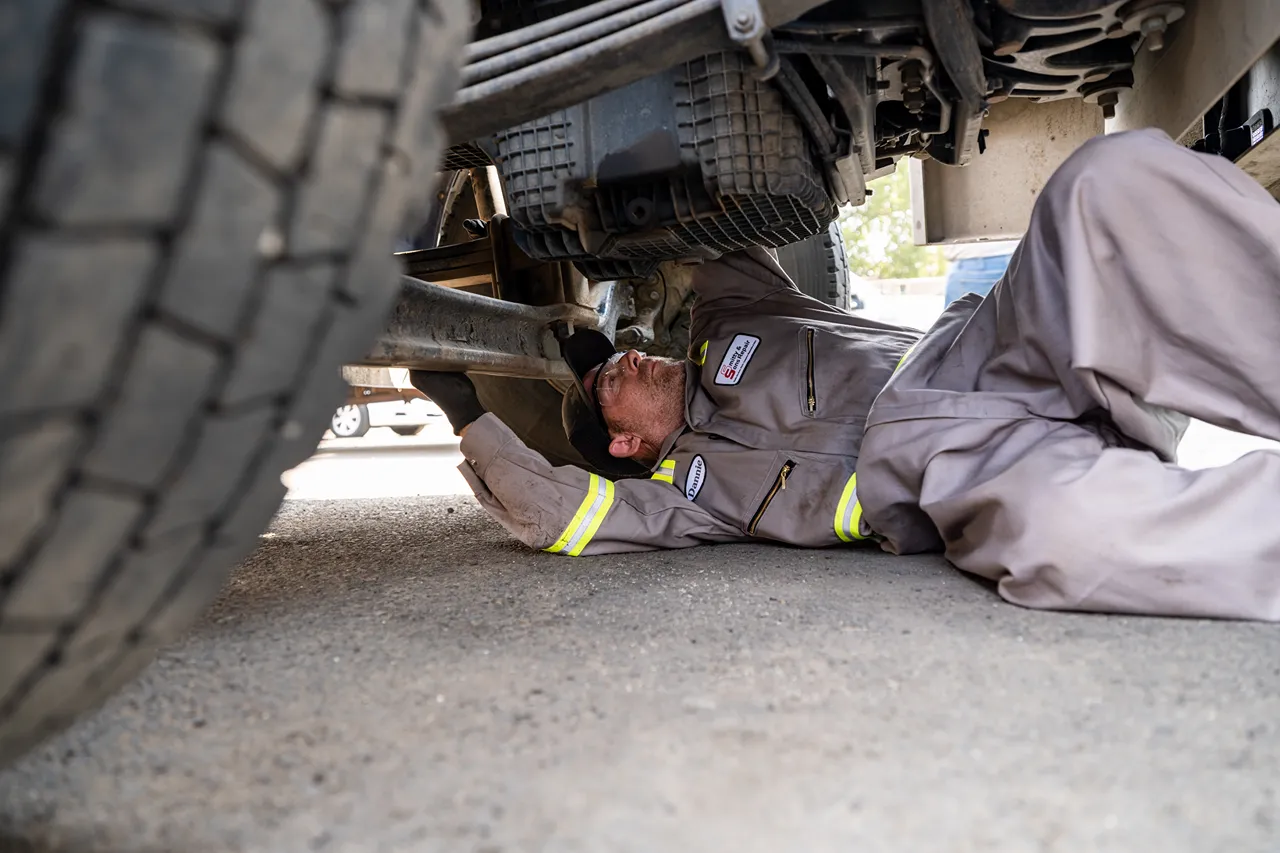
How to Schedule Maintenance Around Charlotte, Triad, Triangle, and Statesville Routes
A Charlotte delivery truck and a Statesville highway tractor can rack up wear in very different ways. Learn how route-based preventive maintenance uses mileage, engine hours, duty cycles, driver feedback, and repair history to schedule service more accurately.
Read more
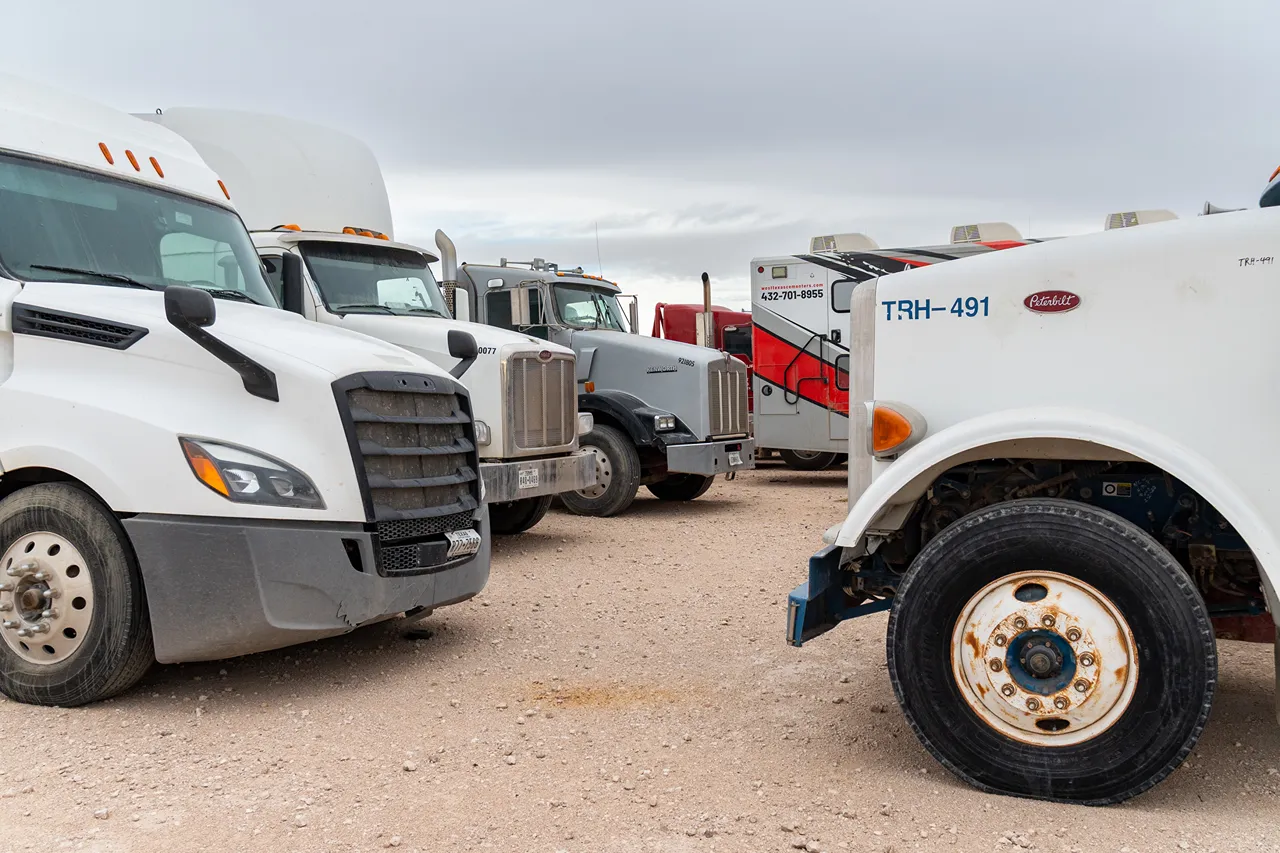
October Fleet Maintenance for I-85 Trucks: Cooling, Tires, Brakes, and Batteries
October gives I-85 fleets a timely chance to catch summer wear before it becomes fall downtime. Focus on cooling systems, tires, brakes, and batteries after months of heat and high mileage across Charlotte, Greensboro, Durham, and North Carolina's Piedmont.
Read more