704-676-6023
Articles
Everything Fleet Managers Need to Know About Drivetrain Health
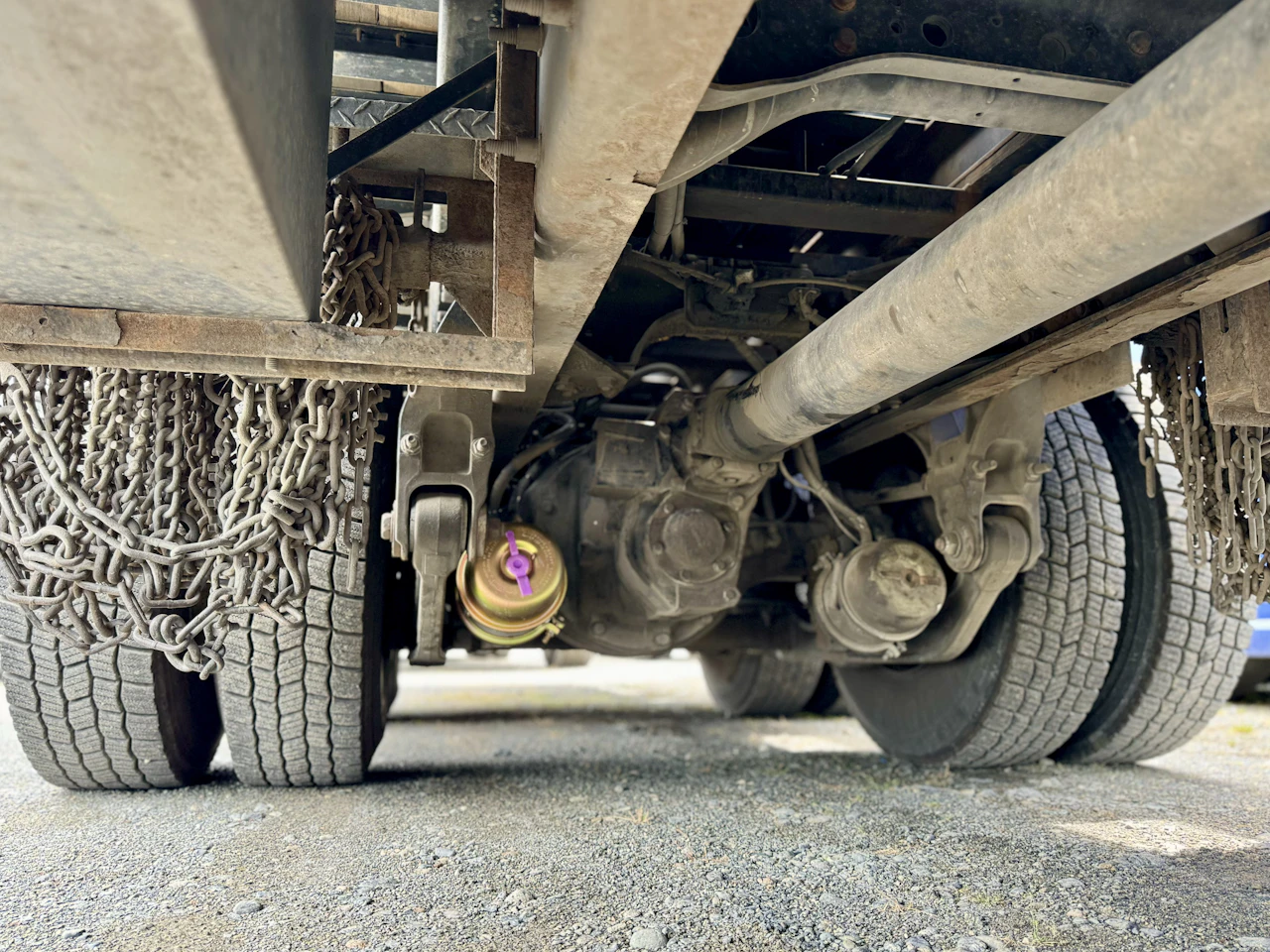
When it comes to keeping your fleet on the road and out of the shop, drivetrain health is one of the most critical aspects of maintenance. From power transfer to traction control, your drivetrain is the unsung hero that keeps your heavy-duty trucks moving forward, no matter the conditions. But when components fail or fall out of alignment, your entire operation can suffer.
Let’s break down everything fleet managers in North Carolina need to know about keeping drivetrain systems running strong, mile after mile.
What Is the Drivetrain, Exactly?
At its core, the drivetrain is the system that transmits power from your engine to the wheels. It includes components such as the transmission, driveshaft, differentials, axle shafts, and sometimes a transfer case, depending on the configuration of your fleet vehicles.
In simple terms? If the engine is your truck’s powerhouse, the drivetrain is the road that distributes that mechanical energy to every wheel that needs it.
The Key Components of a Heavy-Duty Drivetrain
Understanding what makes up the drivetrain helps you spot issues early and schedule maintenance before a breakdown.
1. Transmission
Whether your trucks use manual, automatic, or automated manual transmissions, this is where the drivetrain begins. The transmission controls how much power is sent to the driveline by adjusting gear ratios. Poor gear engagement, fluid leaks, or rough shifting? That’s your cue for a transmission inspection.
2. Transfer Case
Only present in trucks with multi-drive capabilities (like 4WD or 6WD), the transfer case distributes power to front and rear axles. It also handles low-range gearing, which multiplies torque during slow, heavy hauls or tricky terrain.
For fleet vehicles operating in rural or off-road areas of North Carolina, keeping this component in top shape is essential.
3. Driveshafts
These rotating metal tubes connect your transmission (or transfer case) to your differentials. On semi-trucks, you may have multiple driveshafts to accommodate tandem axles. Vibrations or clunking noises? That might be a driveshaft balance or U-joint issue.
4. Differentials
Differentials distribute torque between the left and right wheels. They’re crucial for cornering and maintaining traction. But there’s more than one type:
- Open Differentials: Great for road use, not ideal for off-road or low-traction situations.
- Locking Differentials: Lock power 50/50 to both wheels. Ideal for slippery or uneven terrain.
- Limited Slip Differentials (LSD): Engage automatically when wheel slippage is detected.
Knowing which type your trucks have can help you tailor maintenance and replacement strategies.
5. Axle Shafts
These transfer power from the differentials to the wheels. If these fail, you're not going anywhere. Regular inspection for cracks, excessive wear, or bearing damage is a must.
Common Drivetrain Failures in Fleet Vehicles
Fleet vehicles are put through the wringer — long hours, varied terrain, and heavy loads. Here are the most common drivetrain failures to watch for:
- Worn U-Joints: Cause vibrations and can lead to driveshaft separation.
- Leaking Differential Fluid: Reduces gear lubrication and leads to gear failure.
- Transmission Overheating: Often a result of overloading or low fluid levels.
- Burnt Clutch (Manual Transmissions): Reduces drivability and fuel efficiency.
- Bearing Failures: Overheated bearings can weld themselves to the spindle, potentially causing wheel detachment.
Signs Your Fleet’s Drivetrain Needs Attention
Catching drivetrain issues early can save thousands in repairs and downtime. Here's what your drivers and techs should keep an ear and eye out for:
- Unusual clunking or grinding noises
- Vibrations during acceleration
- Grease leaks near the wheels or under the chassis
- Burning smells after long hauls
- Sluggish or jerky gear shifts
- Pulling to one side during acceleration
Why Drivetrain Health Matters for Fleet Efficiency
A poorly maintained drivetrain doesn’t just break down — it saps fuel economy, increases tire wear, and stresses other vehicle systems like suspension and brakes. And in a fleet setting, one failing truck can bottleneck an entire operation.
In a competitive market like North Carolina's logistics and freight industry, every hour a truck is off the road is money lost. Keeping your drivetrain systems in optimal shape is not just about longevity but about reducing downtime.
Best Practices for Maintaining Drivetrain Health
Schedule Regular Inspections: Monitor transmission fluid levels and quality, differential gear oil condition, driveshaft alignment, U-joint wear, and the condition of bearings and races.
Train Drivers to Report Early Symptoms: Encourage operators to report small issues — noises, vibrations, weird shifts — immediately. A minor fix today prevents a major repair tomorrow.
Use the Right Fluids: Always use manufacturer-recommended gear oils, transmission fluids, and differential lubricants. The wrong fluid can degrade seals and increase wear.
Don’t Ignore Overheating: Transmission and differential overheating is a big red flag. Install or maintain coolers on high-load vehicles to prevent thermal breakdown of critical components.
Inspect After Harsh Use: If a truck has been in mud, snow, or hauling extra weight up the Blue Ridge, inspect it. Off-road use and heavy grades put strain on the whole driveline.
Take Action on Drivetrain Issues
Your fleet’s drivetrain is where raw power meets road-readiness. From transmission gears to axle shafts, each component plays a vital role in keeping your trucks and your business moving. By investing in regular inspections, training your drivers, and staying proactive about maintenance, you’ll reduce downtime, boost safety, and extend the life of every vehicle in your lineup.
Ready to improve your fleet’s drivetrain performance? Talk to National Fleet Management to set up an inspection schedule or drivetrain health audit today. For more information, read our article on drivetrain symptoms you shouldn’t ignore.
Schedule service with National Fleet Management today!
More Articles
Why High-Mileage Piedmont Fleets Need More Than Basic Oil and Filter Changes
High-mileage Piedmont fleets need more than fresh oil and filters. Learn how duty-cycle-based inspections of cooling, brakes, tires, electrical systems, drivelines, aftertreatment, and trailers can help reduce preventable downtime.
Read more
.webp)
Which Fleet Services Help Reduce Downtime on I-85 and I-77?
Charlotte fleets lose productive hours when small defects become roadside failures. Learn which preventive, diagnostic, mobile, trailer, brake, tire, cooling, and electrical services help keep trucks moving on I-85 and I-77.
Read more