704-676-6023
Articles
October Fleet Maintenance for I-85 Trucks: Cooling, Tires, Brakes, and Batteries
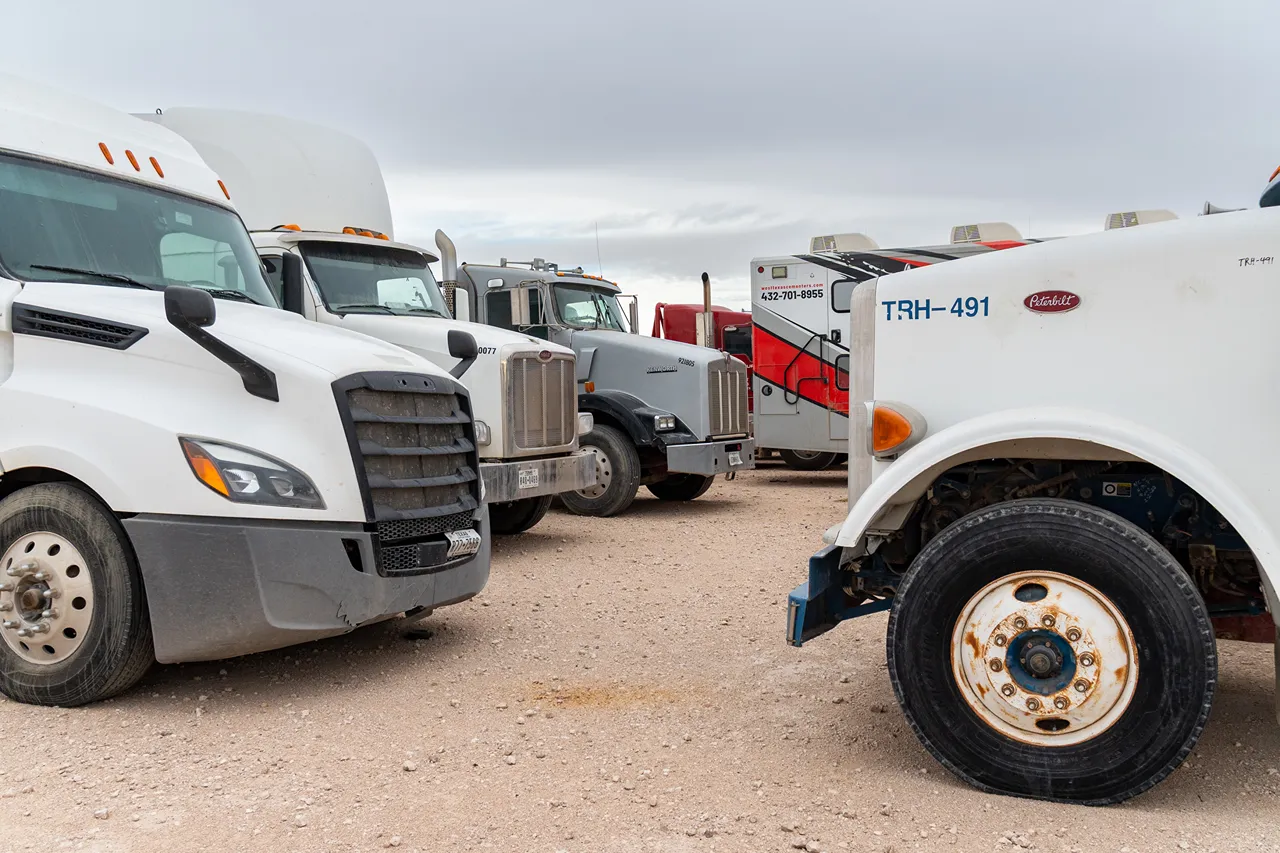
Summer may be winding down, but your trucks haven't forgotten the heat. By October, months of high-mileage freight runs can leave cooling systems, tires, brakes, and batteries carrying wear that isn't obvious during a quick walkaround.
That's especially relevant along I-85, which NCDOT calls the "workhorse" of North Carolina's highway freight system. The agency reports more than 16,000 trucks per day on the Greensboro-to-Durham portion of the corridor, connecting freight activity across Charlotte, the Triad, and the Triangle.
October is your opportunity to find that accumulated summer wear before it becomes fall roadside downtime.
Why Does October Fleet Maintenance Matter Along I-85?
October in North Carolina's Piedmont doesn't automatically mean cool weather. Greensboro's normal high remains around 80°F in the middle of the month before gradually falling to about 75°F by October 30.
Actual conditions can run hotter. Greensboro reached 95°F on October 5, 2026, and 92°F as late as October 17. That means trucks can still face substantial heat while carrying the effects of an entire summer of interstate mileage.
For Class 8 tractors, dry vans, refrigerated trucks, regional delivery units, box trucks, and vocational fleets, preventive fleet maintenance now can expose problems while they can still be scheduled instead of discovered on the shoulder.
What Cooling-System Maintenance Should Fleets Prioritize in October?
Start with cooling-system maintenance. A heavy-duty cooling system has spent months managing engine heat while trucks moved freight through Charlotte, Greensboro, Durham, and the rest of the Piedmont.
Engine coolant absorbs heat and carries it to the radiator, where airflow removes that heat. The water pump, cooling fan, belts, hoses, and related components all have to work together for that process to remain effective.
A thorough radiator inspection and cooling-system check should include:
- Coolant level and visible coolant condition
- Radiator and charge-air-cooler cleanliness
- Coolant hoses and clamps
- Water-pump leaks or seepage
- Belts and tensioners
- Cooling-fan operation
- Repeated high-temperature warnings or stored fault history
Don't treat an occasional temperature warning as something to clear and forget. Recurring warnings can point toward airflow restrictions, coolant loss, fan problems, or other developing issues that deserve diagnosis.
Pay particular attention to trucks that combine interstate mileage with lower-speed deliveries and terminal movements. Cooling fans become especially important when road speed no longer provides enough natural airflow through the radiator.
What Tire Wear Should High-Mileage I-85 Fleets Look For?
Summer mileage doesn't disappear when the calendar flips to October. Tires that have spent months carrying heavy loads over long interstate routes should receive a deliberate heavy-duty truck tire inspection.
The goal isn't to suggest I-85 itself damages tires. Rather, fleets serving North Carolina's busiest freight corridors can accumulate considerable mileage, and mileage gives existing inflation, alignment, and wear problems time to become more pronounced.
Inspect:
- Steer-tire tread and overall condition
- Drive and trailer tire tread
- Inflation pressure
- Irregular shoulder wear
- Cupping or scalloped wear patterns
- Cuts, bulges, punctures, and casing damage
- Pressure matching across dual tires
- Wear patterns that could indicate alignment problems
Steer tires deserve particular attention because irregular wear can affect both service life and vehicle handling. Dual assemblies also need matched inflation; one underinflated tire can change how the pair shares load.
For distribution and manufacturing fleets running repeated Charlotte-Triad-Triangle routes, these checks support fleet downtime prevention by identifying tires that are approaching service limits before they interrupt a loaded run.
What Should a October Brake Inspection Include?
Brakes need attention on both the tractor and trailer. Trucks moving between Charlotte, Greensboro, and Durham may combine extended interstate operation with congestion, warehouse approaches, terminal activity, local deliveries, and repeated stop-and-go movements.
For air-brake-equipped trucks, compressed air activates the braking components at each wheel end. Chambers, pushrods, slack adjusters, S-cams, shoes, and drums must work together correctly on drum-brake configurations.
A October air brake inspection should cover:
- Brake lining inspection or pad condition
- Brake drums
- Air lines and fittings
- Audible or measurable air leaks
- Brake chambers
- ABS warning lights
- Slack-adjuster condition where applicable
- Trailer brake operation
Don't limit the inspection to the tractor. A tractor-trailer operates as a system, and trailer brake defects can affect stopping performance even when the tractor's brakes appear healthy.
Look at wear patterns, too. Uneven lining or pad wear may justify a deeper inspection instead of simply replacing friction material and sending the truck back out.
Why Should Fleets Test Batteries Before Cooler Fall Mornings?
A battery doesn't need to fail completely to cause trouble. Summer heat can accelerate battery deterioration, leaving a unit that still starts the truck in October but has less reserve capacity than expected.
That's why battery load testing belongs in your October maintenance schedule. Testing lets you identify marginal batteries before changing seasonal conditions expose weaknesses during morning starts.
Include these items in a charging system test:
- Battery state of health
- Battery load-test results
- Corrosion at terminals
- Loose or damaged terminal connections
- Alternator output
- Starter draw
- Battery-cable condition
- Unwanted parasitic electrical loads
The battery supplies electrical power during startup, while the alternator recharges it and supplies electricity while the engine runs. A charging-system problem can therefore look like a battery problem, and vice versa.
Testing the complete starting and charging system gives your technicians a better picture than replacing batteries based on age alone.
What Supporting Checks Belong on a October PM Checklist?
Keep the inspection focused. Cooling, tires, brakes, and batteries are the priorities, but several supporting checks fit naturally into the same service window.
Check belts and hoses while inspecting the cooling system. Look for visible coolant, engine oil, or other fluid leaks while the truck is already in the bay.
Inspect trailer electrical connections alongside brake and battery work. Finally, review fault-code history instead of repeatedly clearing warning codes without determining why they return.
For fleets connecting Charlotte with Statesville, these checks also make sense for trucks moving between I-85 and I-77. Statesville is part of the broader regional service picture without being treated as an I-85 city.
October Preventive Maintenance Checklist for I-85 Fleets
Before releasing a high-mileage truck back into Piedmont freight service, verify:
- Cooling-system condition and coolant level
- Radiator and charge-air-cooler cleanliness
- Hoses, clamps, belts, and tensioners
- Tire pressure, tread, and irregular wear
- Tractor and trailer brake condition
- Air lines, brake chambers, and ABS operation
- Battery health and terminal condition
- Alternator output and starter performance
- Visible fluid leaks
- Trailer electrical connections
- Recurring fault codes or warning history
A disciplined October fleet maintenance inspection doesn't require turning one PM visit into a bumper-to-bumper overhaul. Focus on the systems most likely to reveal accumulated summer wear and investigate abnormalities before they become larger repairs.
Keep Summer Wear From Becoming Fall Downtime
I-85 ties together some of North Carolina's busiest freight markets, from Charlotte through Greensboro and toward Durham. NCDOT's freight data reflects just how important the corridor is to trucking, distribution, warehousing, and manufacturing operations across the Piedmont.
October gives your fleet a practical maintenance window. Check cooling systems after months of heat, inspect tires after sustained mileage, measure brake wear, and test batteries while marginal components can still be dealt with on your schedule.
At National Fleet Management, we can help you build a dedicated fleet preventive maintenance schedule. Book your service before small cooling, tire, brake, or electrical problems have a chance to become roadside downtime.
Frequently Asked Questions
What should fleets inspect on heavy-duty trucks in October?
Prioritize the cooling system, tires, tractor and trailer brakes, batteries, and charging system. Supporting checks can include belts, hoses, visible fluid leaks, trailer electrical connections, and recurring fault-code history.
Why is October a good time to inspect a truck's cooling system?
October can remain warm in North Carolina's Piedmont while trucks are already carrying several months of summer mileage. Inspection can reveal coolant loss, restricted airflow, hose deterioration, water-pump leaks, belt problems, or fan issues before they cause overheating.
Should trailer brakes be included in fleet preventive maintenance?
Yes. Tractor and trailer brakes work together during normal operation, so preventive maintenance should inspect trailer friction material, brake operation, air-system components, and ABS concerns along with the tractor.
Why test truck batteries if they are still starting normally?
A battery can lose capacity before producing obvious starting symptoms. Load testing, connection inspection, alternator testing, and starter checks can identify a weakening starting or charging system before it causes an unexpected no-start.
How often should high-mileage I-85 fleet trucks receive preventive maintenance?
Maintenance intervals should follow the vehicle and component manufacturers' recommendations while also accounting for mileage, operating duty cycle, vehicle age, inspection findings, and fleet experience. High-utilization trucks may require closer monitoring than lower-mileage units.
Schedule service with National Fleet Management today!
More Articles
Why High-Mileage Piedmont Fleets Need More Than Basic Oil and Filter Changes
High-mileage Piedmont fleets need more than fresh oil and filters. Learn how duty-cycle-based inspections of cooling, brakes, tires, electrical systems, drivelines, aftertreatment, and trailers can help reduce preventable downtime.
Read more
.webp)
Which Fleet Services Help Reduce Downtime on I-85 and I-77?
Charlotte fleets lose productive hours when small defects become roadside failures. Learn which preventive, diagnostic, mobile, trailer, brake, tire, cooling, and electrical services help keep trucks moving on I-85 and I-77.
Read more